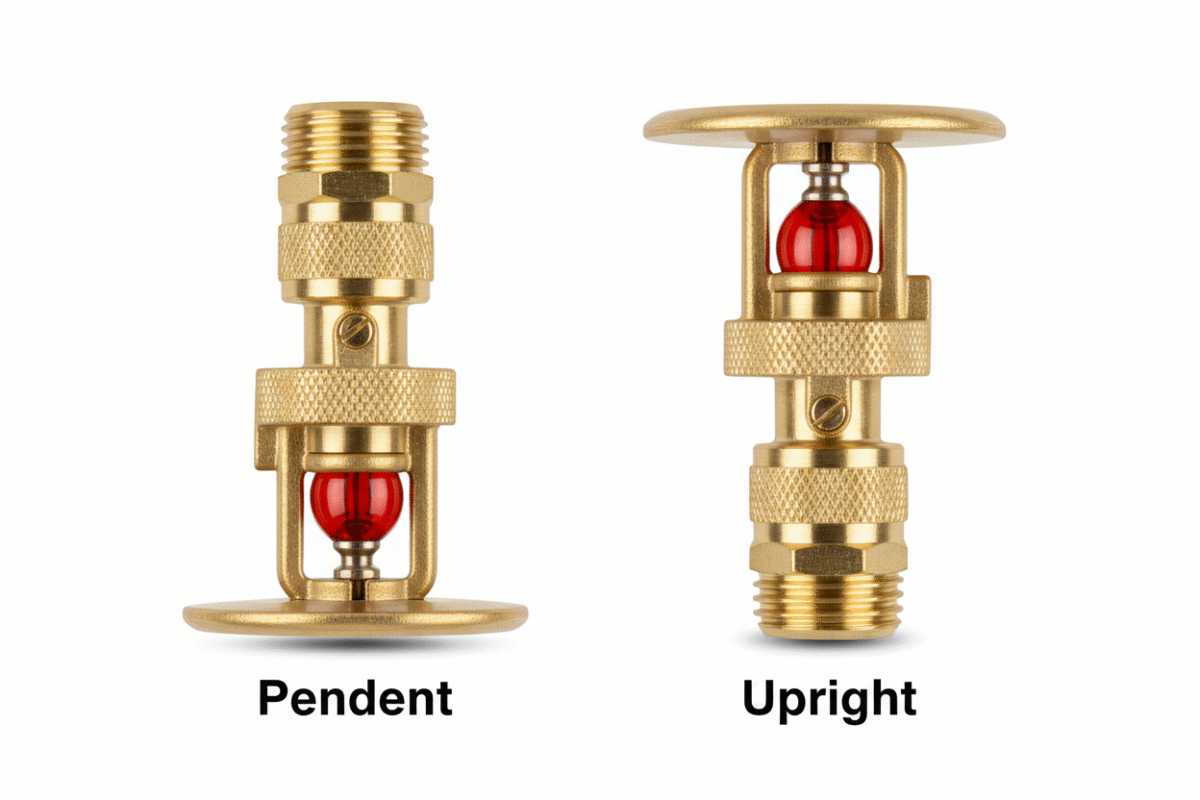


For facility managers in Canada, Northern Europe, or anyone operating a cold storage warehouse, winter brings a specific anxiety: frozen pipes. In the fire protection world, a frozen pipe isn’t just an inconvenience; it’s a catastrophic failure of safety compliance.
When designing a fire protection system for areas where temperatures drop below 4°C (40°F), standard solutions fail. This brings up the critical comparison: Wet vs. Dry Fire Sprinkler Systems. Which one do you need?
As a specialized fire sprinkler manufacturer, Hengdun Firefighting explains the technical differences and why dry systems are the industry standard for freezing environments.
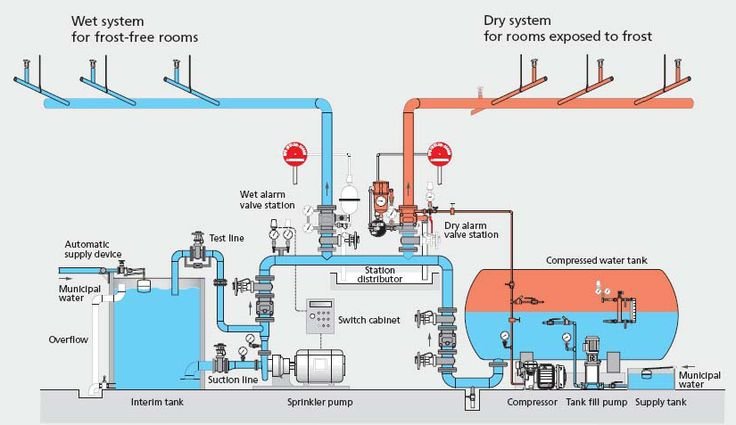
What is a Wet Pipe Fire Sprinkler System?
A Wet Pipe System is the most common and reliable type of fire protection. In this setup, water is constantly pressurized within the pipes, right up to the sprinkler heads. When a fire activates a sprinkler, water discharges immediately.
Why It Fails in the Cold
Physics is the enemy here. When water freezes, it expands by approximately 9%. If a wet pipe system is installed in a freezer or an unheated attic, the expanding ice will rupture the brass fittings or steel pipes. When the ice eventually thaws, it leads to massive water damage—not from a fire, but from the burst pipe itself.
What is a Dry Pipe Fire Sprinkler System?
A Dry Pipe System is engineered specifically for unheated spaces. Instead of water, the piping network is filled with pressurized air or nitrogen.
How It Works
-
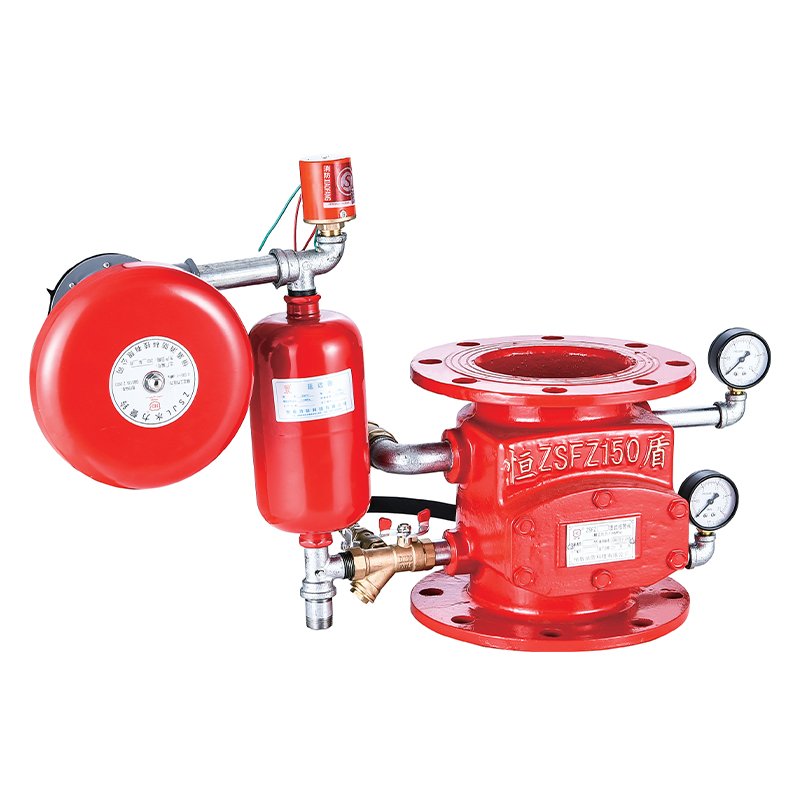
The Barrier: A specialized dry pipe valve (a type of check valve) holds the water supply back in a heated area (the riser room).
-
The Balance: The air pressure inside the pipe keeps the valve closed against the water pressure.
-
Activation: When a fire causes a sprinkler head to open, the compressed air escapes first. This drop in pressure allows the dry pipe valve to open, and water rushes into the system to extinguish the fire.
Critical Comparison: Wet vs. Dry Systems
If you are debating Wet vs. Dry fire sprinkler systems, consider these four factors:
1. Climate Suitability
-
Wet: Only for heated indoor spaces (Offices, Hotels, Heated Warehouses).
-
Dry: Essential for Cold Storage, Parking Garages, Loading Docks, and Unheated Attics.
2. Response Time
-
Wet: Instant.
-
Dry: There is a slight delay (typically 60 seconds or less) while the air escapes and water fills the pipe. This is known as “water delivery time.”
3. Installation & Maintenance Costs
-
Wet: Lower cost. Simple design with fewer moving parts.
-
Dry: Higher initial investment. Requires an air compressor and the dry pipe valve. It also requires more frequent maintenance to drain condensate (moisture) from the pipes to prevent internal corrosion or freezing.
The Hero Product: Dry Fire Sprinkler Heads
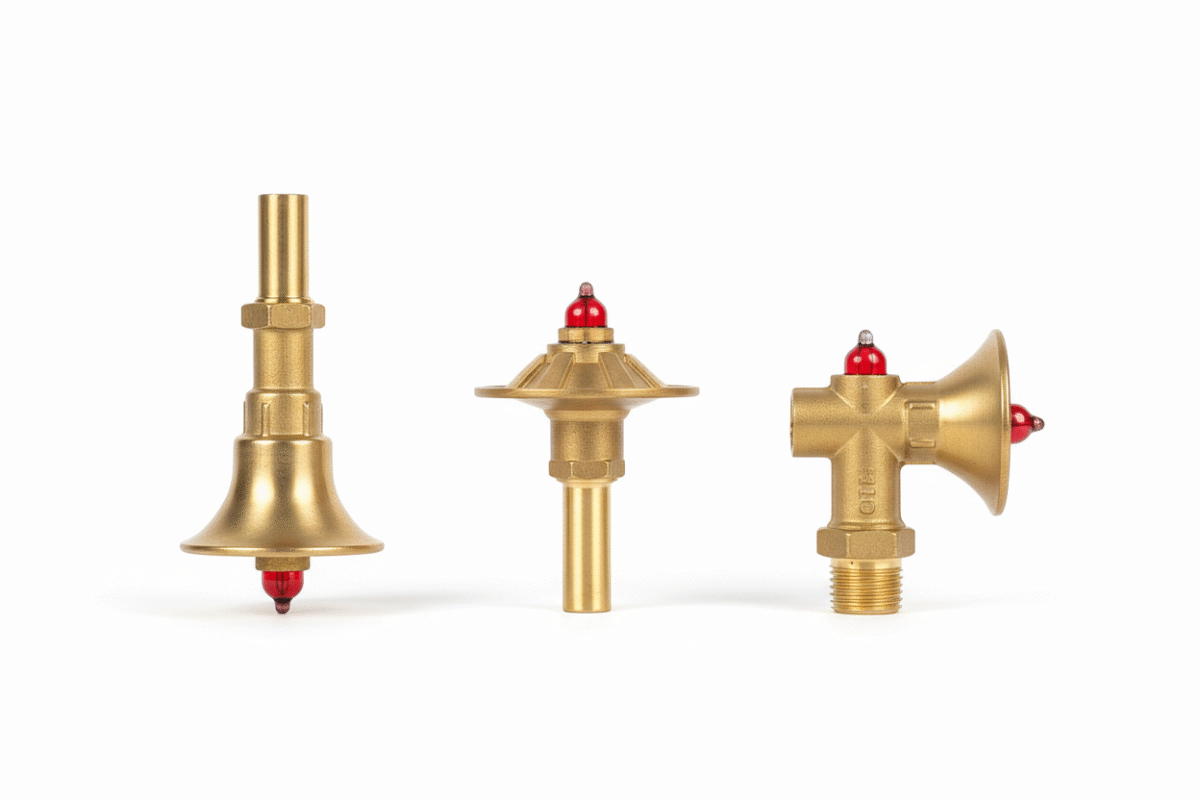
Even in a dry system, you need specialized heads if the sprinkler itself penetrates a freezer ceiling from a heated space above. This is where the dry fire sprinkler head comes in.
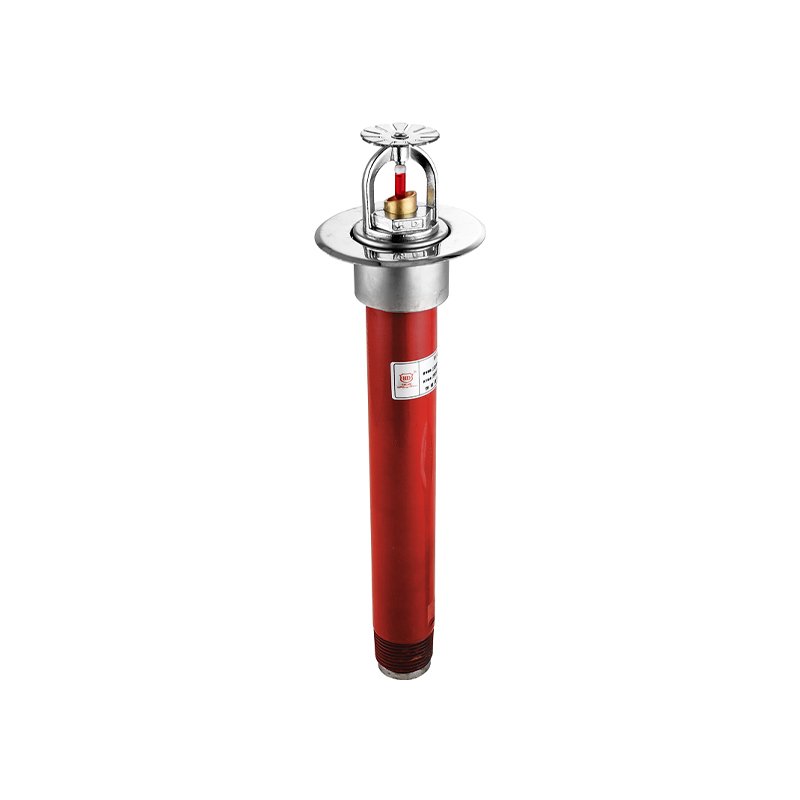
Structure & Function
A dry sprinkler head features a long extension barrel (nipple) containing the sealing mechanism.
-
The water seal is located at the top of the barrel (in the heated space/pipe).
-
The temperature-sensitive glass bulb is at the bottom (inside the freezer).
-
Because the barrel is empty (dry), there is no water inside the freezer section to freeze.
Pro Tip for Buyers: Dry sprinklers must be ordered in custom lengths based on your ceiling or wall thickness. Hengdun offers precision manufacturing to meet your specific “A-Dimension” requirements.
Why Source Cold Storage Solutions from Hengdun?
Manufacturing dry systems requires high-precision sealing technology. A micro-leak in a dry valve can cause the system to trip accidentally (false alarm).
At Hengdun Firefighting, we ensure:
-
Leak-Proof Integrity: Our dry valves and sprinklers undergo rigorous pneumatic and hydrostatic testing.
-
Customization: We manufacture dry pendent and sidewall sprinklers in variable lengths to fit any insulation thickness.
-
Durability: Made with corrosion-resistant brass and ductile iron to withstand harsh industrial environments.
FAQ: Managing Systems in Cold Climates
Can I use antifreeze loops instead of a dry system?
Antifreeze loops are permitted for small areas, but regulations (NFPA) have become very strict regarding the type and concentration of antifreeze due to flammability concerns. For large warehouses, a dry pipe system is safer and more compliant.
What is a Pre-Action system?
It’s similar to a dry system but requires two triggers (e.g., a smoke detector AND a sprinkler head) to release water. It is used in data centers to prevent accidental water damage, whereas standard dry systems are used primarily for freeze protection.
Conclusion
When it comes to Wet vs. Dry fire sprinkler systems, the choice is dictated by temperature. If your facility drops below 4°C, a dry pipe system isn’t just an option—it’s a necessity.
Don’t risk frozen pipes and business downtime. Invest in a robust dry pipe solution designed for the cold.
Building a cold storage facility? Contact our engineering team to specify custom-length dry sprinklers and reliable valves for your project.