

In the complex infrastructure of a modern high-rise building, the standpipe system is the backbone of fire suppression. At every floor level, you will find the most critical manual interface for firefighters: the landing valve.
Whether you are an MEP engineer designing a new skyscraper or a procurement manager for a government facility, understanding the nuances of these indoor fire hydrants is vital for life safety and project compliance.
As a premier fire fighting equipment manufacturer, Hengdun Firefighting offers this technical guide to help you navigate standards, types, and the crucial role of pressure regulation.
What is a Landing Valve? (Definition & Function)
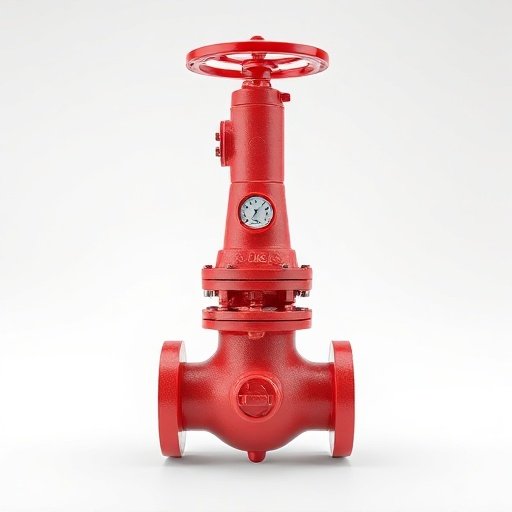
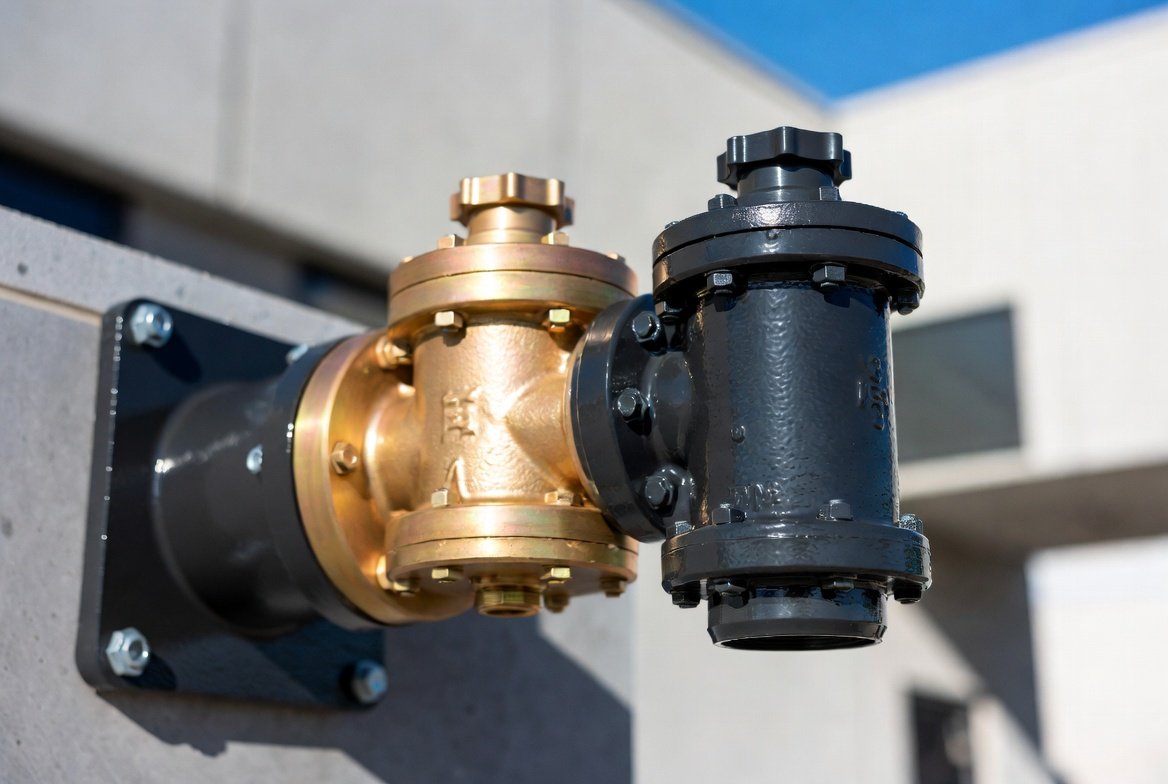
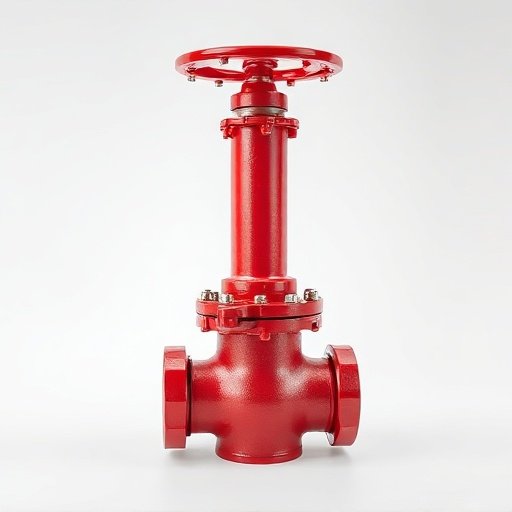
A landing valve is a high-pressure globe valve specifically designed to be installed on wet or dry risers in buildings. It acts as a controlled water outlet, allowing firefighters to connect their hoses to the building’s internal water supply during an emergency.
Unlike a standard domestic faucet, a fire landing valve must withstand extreme hydraulic pressure and provide a massive flow rate instantly. The term “landing” comes from its traditional installation on the stairwell landings of buildings.
Different Types of Landing Valves Explained
Not all buildings require the same valve configuration. At Hengdun, we manufacture several variants to meet global architectural needs:
- Oblique Landing Valve: The inlet and outlet are at an angle (usually 45° or 65°), making it easier for firefighters to connect heavy hoses in tight spaces.
- Right Angle Landing Valve: Featuring a 90° angle between the pipe connection and the hose outlet, ideal for recessed wall cabinets.
- Horizontal Landing Valve: A straight-through design often used in industrial pipe racks.
Pressure Reducing Landing Valves: Why They Are Crucial
In skyscrapers, the water pressure at the bottom of the riser is significantly higher than at the top due to gravity (static head). This extreme pressure can be dangerous for firefighters, potentially bursting hoses or causing injury upon opening.
Pressure reducing landing valves are engineered with an internal mechanism to maintain a constant, safe outlet pressure (typically between 5 and 8 bar), regardless of how high the inlet pressure is. For any building over 45 meters, these valves are an essential safety requirement.
Understanding Connection Standards: BS 5041 & More
Hengdun Firefighting ensures that our products seamlessly integrate with global firefighting equipment. We provide various connection types, including:
- Instantaneous Outlets: Common in British Standard (BS 5041) markets, featuring a quick-release female coupling.
- Storz Connections: Popular in Europe and for large-diameter hose requirements.
- Threaded (NPT/NST): Standardized for North American and many Asian projects.
Why Source Indoor Hydrants from Hengdun?
Manufacturing a reliable landing valve requires more than just casting metal. At Hengdun Firefighting, we prioritize precision:
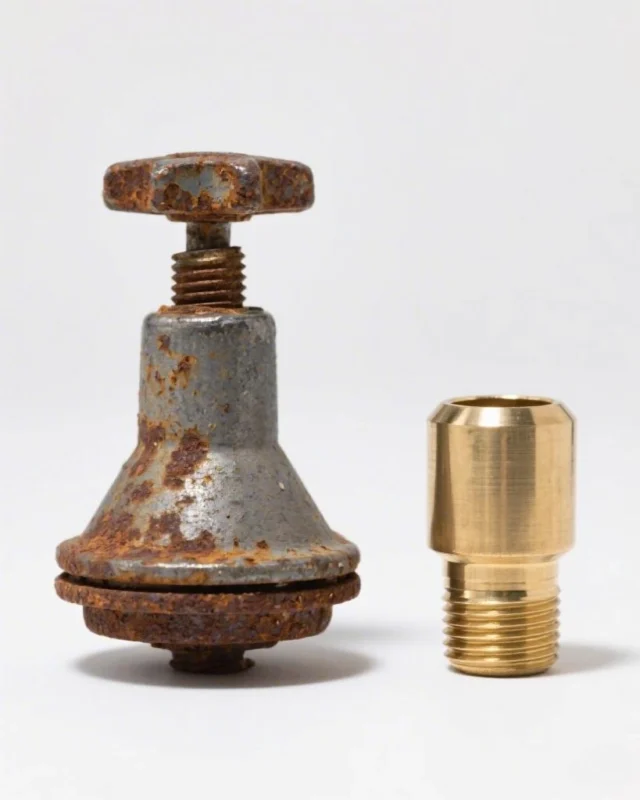
- High-Grade Alloys: We use corrosion-resistant brass and bronze to ensure the valve never seizes, even after years of dormancy.
- 100% Hydrostatic Testing: Every single valve is tested at 1.5 times its rated working pressure to ensure zero leakage.
- CNC Precision: Our machining center ensures that threads and seals are perfectly aligned for rapid, leak-proof deployment.
FAQ
How often should landing valves be inspected? Most safety codes (such as NFPA 25 or BS 9990) require a visual inspection every month and a full flow and pressure test once a year.
What is the standard size? The most common international size is SN65 (2.5 inches), which matches standard fire hose diameters.
Conclusion
Choosing the right landing valve ensures your building’s fire protection system is ready for the ultimate test. From standard oblique valves to advanced pressure-reducing models, Hengdun provides the hardware you can trust.
Planning a high-rise project? Contact our technical team to request detailed technical drawings or a competitive wholesale quote for your landing valve requirements.