

Facility managers and building owners often make a common mistake: assuming that once a fire protection system is installed, it will function indefinitely without intervention. Unfortunately, fire safety equipment is subject to wear, corrosion, and the simple passage of time.
Ignoring your fire equipment lifespan is not only a safety hazard—it is a legal liability. In this guide, we break down the typical replacement cycles and inspection standards you need to follow to keep your building compliant and your occupants safe.
The Myth of “Install and Forget”
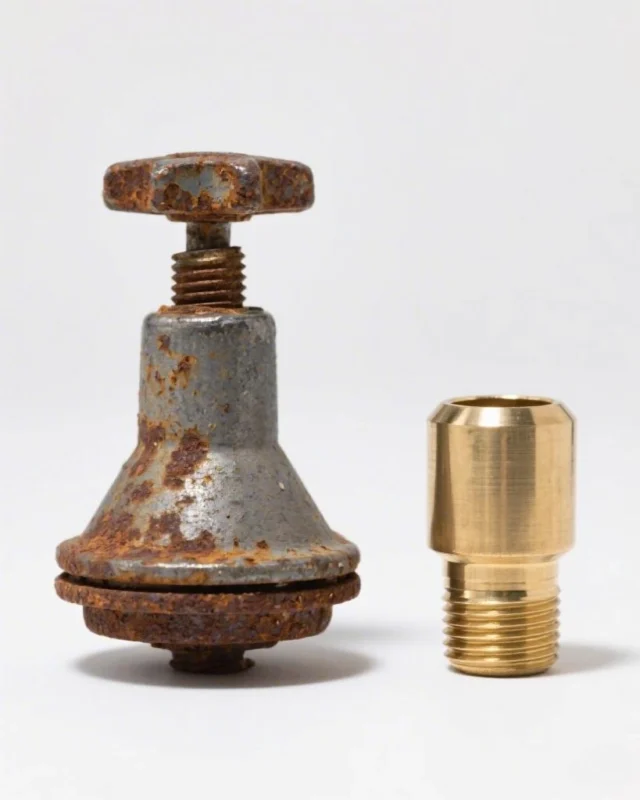
Fire protection equipment is mechanical. Even if it sits dormant for years, environmental factors like humidity, dust, and vibrations can compromise its integrity. An expired or malfunctioning sprinkler head can fail to activate during a fire, while a degraded fire hose might burst under pressure, leaving your team helpless when they need it most.
Lifecycle of Fire Sprinkler Heads
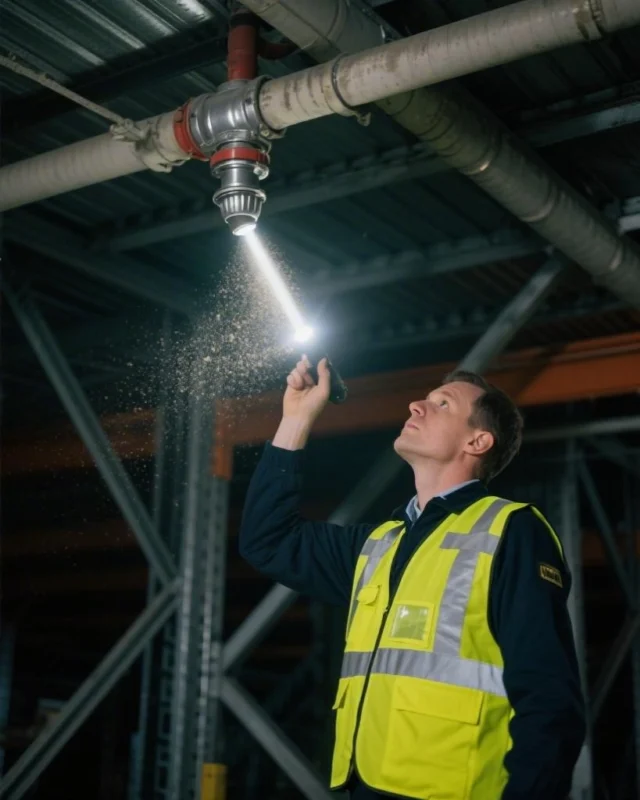
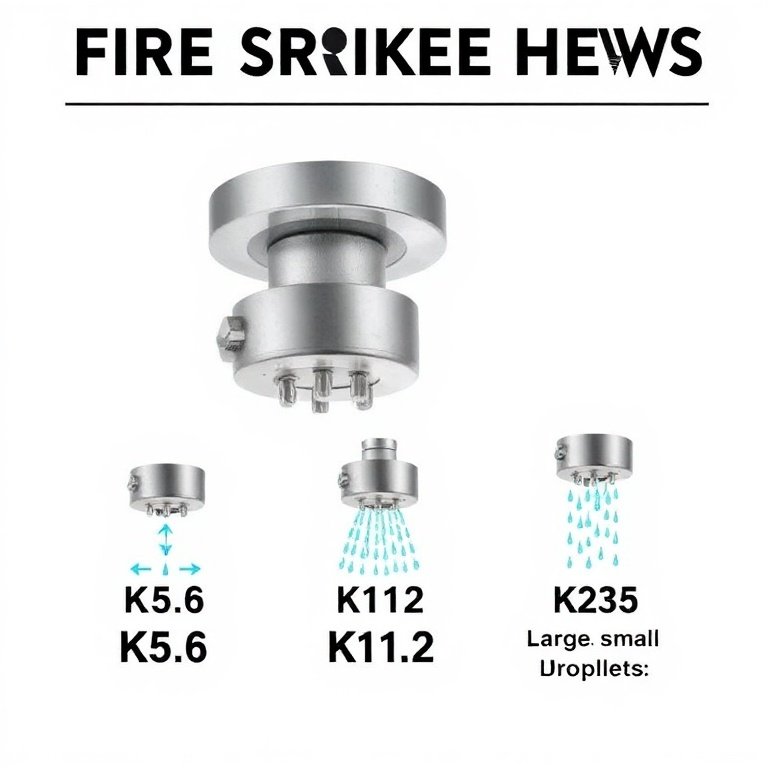
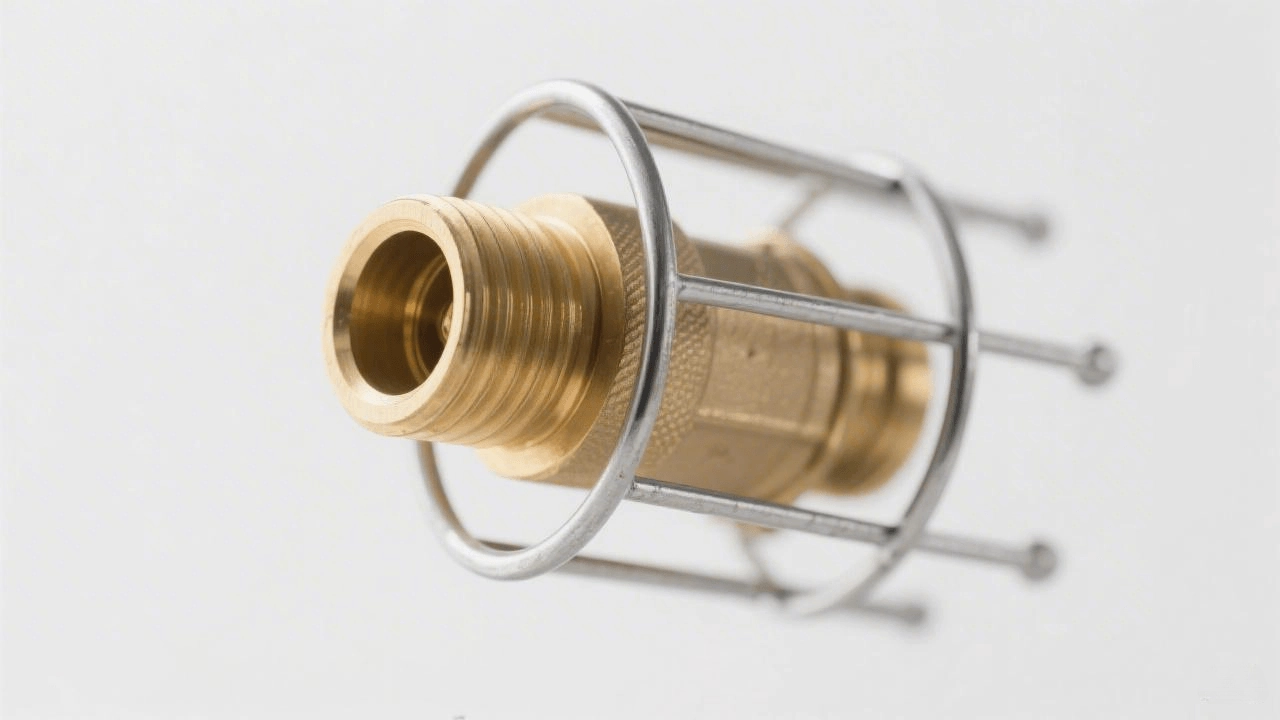
According to NFPA 25 standards, fire sprinkler replacement is not strictly mandatory at a specific year, but testing is.
- Standard Sprinklers: Must undergo initial field service testing 50 years after installation. After that, they should be tested every 10 years.
- Early Replacement: If a sprinkler shows signs of corrosion, physical damage, or is coated in paint (from improper site painting), it must be replaced immediately. Paint on a sprinkler bulb prevents it from sensing heat, rendering the device useless.
Fire Hoses and Reels: Inspection Cycles
Unlike sprinklers, fire hoses have a more dynamic service life because they are subject to physical handling and high-pressure testing.
- Annual Inspection: Every fire hose should be visually inspected once a year to check for mildew, mold, or outer jacket damage.
- Service Testing: Hoses should undergo hydrostatic testing—typically performed 5 years after the date of manufacture, and every 3 years thereafter.
- Replacement: If a hose fails a pressure test or shows deep abrasion, it must be decommissioned. As a professional fire hose manufacturer, we recommend keeping high-quality spare hoses on-site for immediate replacement.
Signs It’s Time to Upgrade Your System
Sometimes, your fire equipment hasn’t “expired” by date, but it is effectively obsolete. You should consider a system upgrade (retrofitting) if:
- Frequent False Alarms: If your alarm valves or sensors are triggering for no reason, your hardware may be outdated or faulty.
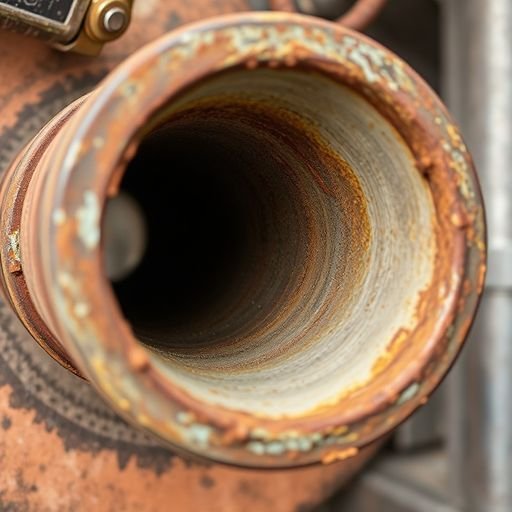
- Corrosion: Visible rust on pipes or sprinkler frames indicates that the system integrity is compromised.
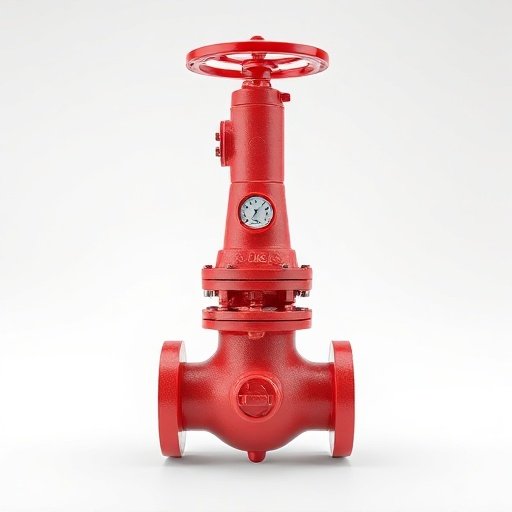
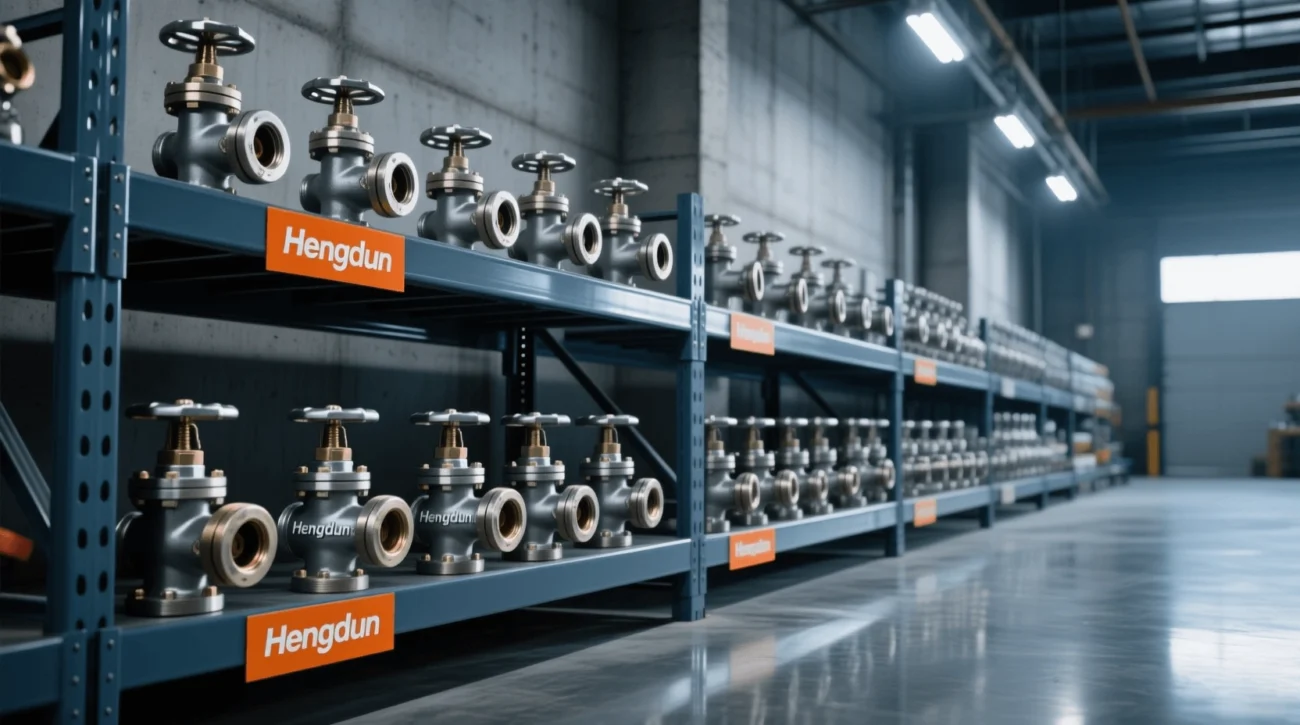
- Manufacturer Discontinuation: If you cannot source matching replacement parts for your old system, it is time to invest in a modern, reliable solution from Hengdun Firefighting.
Why Regular Maintenance Saves You Money
Preventative maintenance is the cheapest insurance policy. By adhering to a strict inspection schedule, you avoid:
- Costly Fines: During fire marshal inspections.
- Insurance Denials: Many insurance policies become void if maintenance records are missing.
- System Failure: The cost of fire damage far outweighs the cost of replacing a few sprinkler heads.
Hengdun’s Commitment to Durability
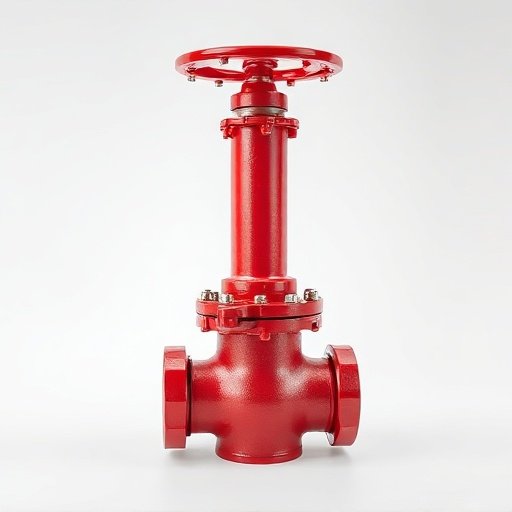
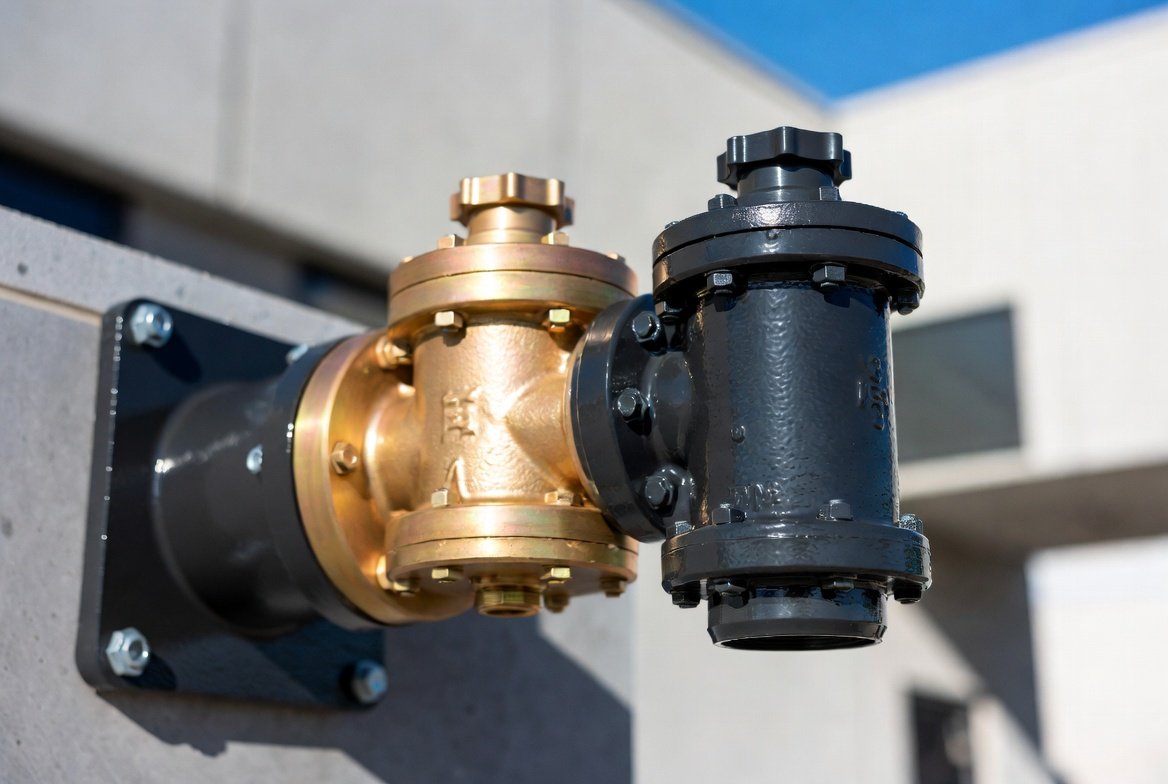
We manufacture fire equipment built to last. Our brass sprinkler frames, reinforced fire hoses, and ductile iron valves are engineered to withstand harsh industrial environments. By choosing high-quality hardware at the installation stage, you significantly reduce the frequency of maintenance and replacement.
FAQ: Replacement Standards
Do fire alarm sensors ever expire?
Yes. Most manufacturers recommend replacing smoke and heat detectors every 10 years. Over time, the internal sensors become desensitized to smoke particles.
Can I clean a corroded sprinkler?
No. Never attempt to clean a corroded or painted sprinkler head with solvents or abrasive tools. You will likely damage the glass bulb or the internal seal. If it’s corroded, replace it.
Conclusion
Safety compliance is a continuous journey. Use this guide to audit your current equipment and ensure you are meeting the necessary standards. If you are uncertain about the status of your equipment, contact our experts for a professional consultation on system upgrades and reliable replacement parts.