

For facility managers, the most dangerous threat to a fire protection system isn’t always a massive fire—it’s the silent, invisible degradation known as corrosion. If left unchecked, fire sprinkler corrosion can lead to pinhole leaks, pipe blockages, and total system failure when you need it most.
As a professional fire fighting equipment manufacturer, Hengdun Firefighting is committed to ensuring your installations stand the test of time. In this guide, we break down why corrosion happens and how you can protect your investment.
What Causes Corrosion in Fire Sprinkler Pipes?
Corrosion is essentially a chemical or electrochemical reaction that degrades metal. In fire systems, it is primarily driven by three factors:
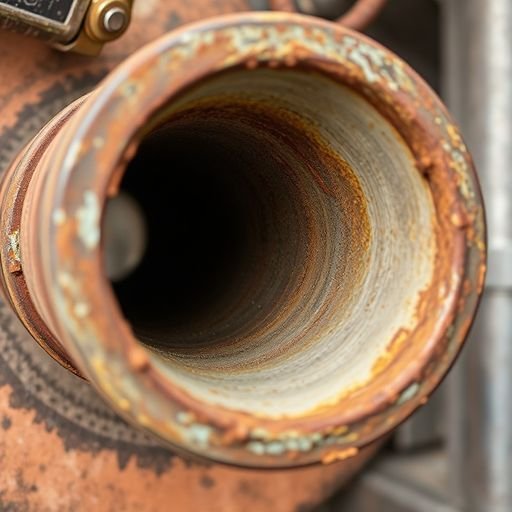
- Oxygen-Induced Corrosion: Oxygen trapped in the water (or air in dry pipe systems) reacts with the iron in the pipes, leading to oxidation or “rust.”
- Microbiologically Influenced Corrosion (MIC): This is one of the most destructive forms of corrosion. Bacteria present in the water supply thrive in stagnant conditions, creating acidic environments that eat through steel and ductile iron pipes in just a few years.
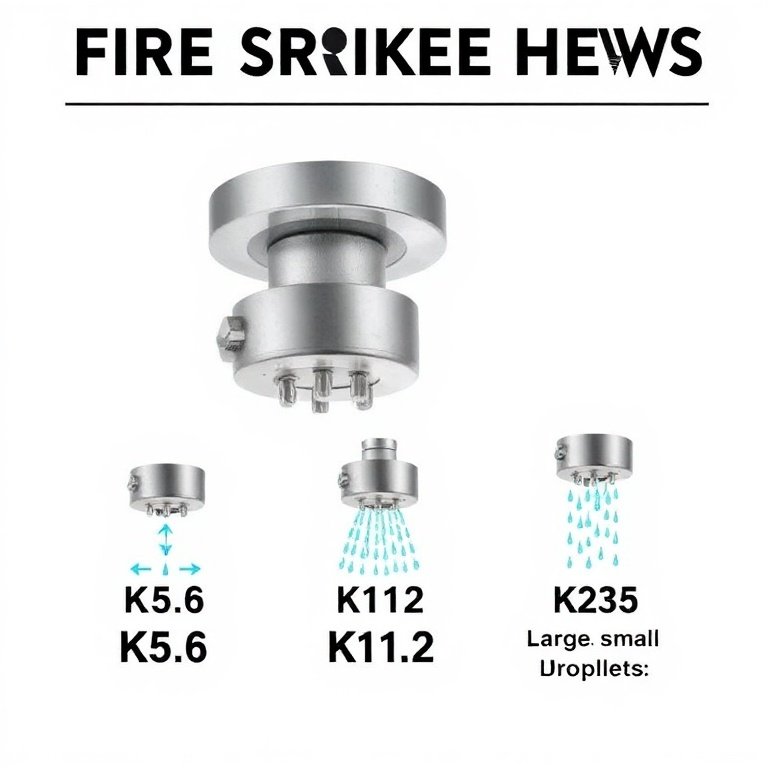
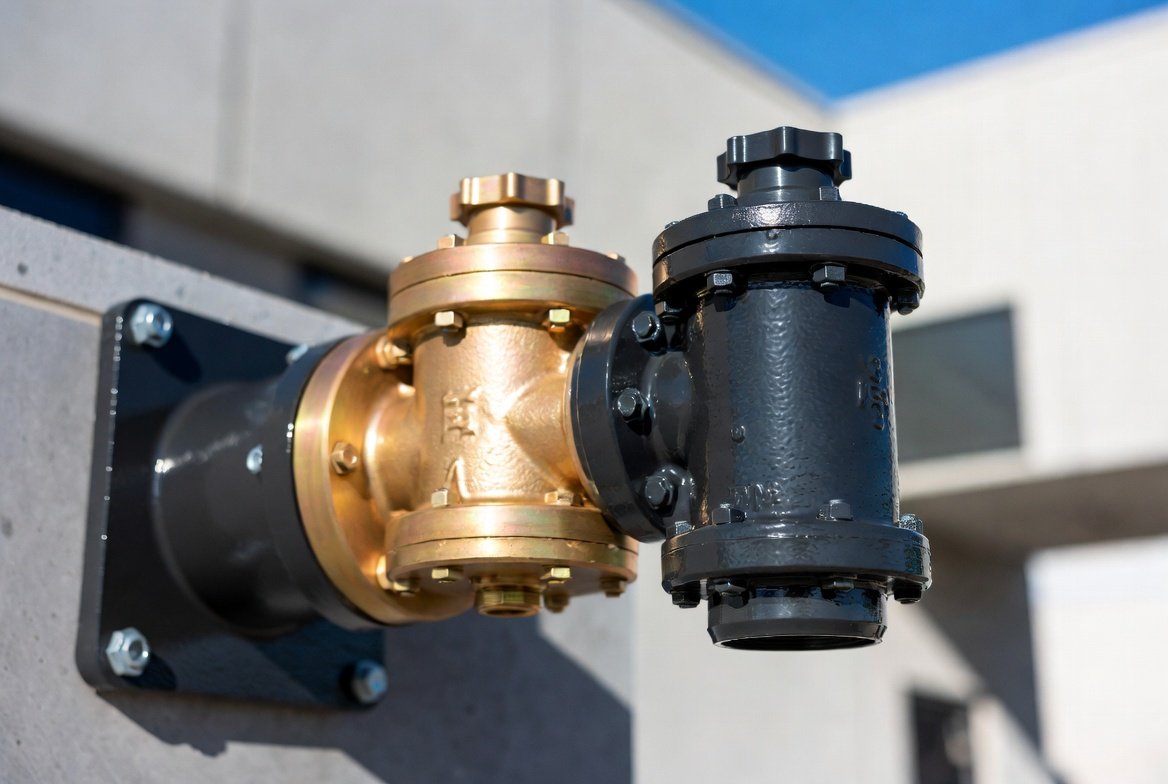
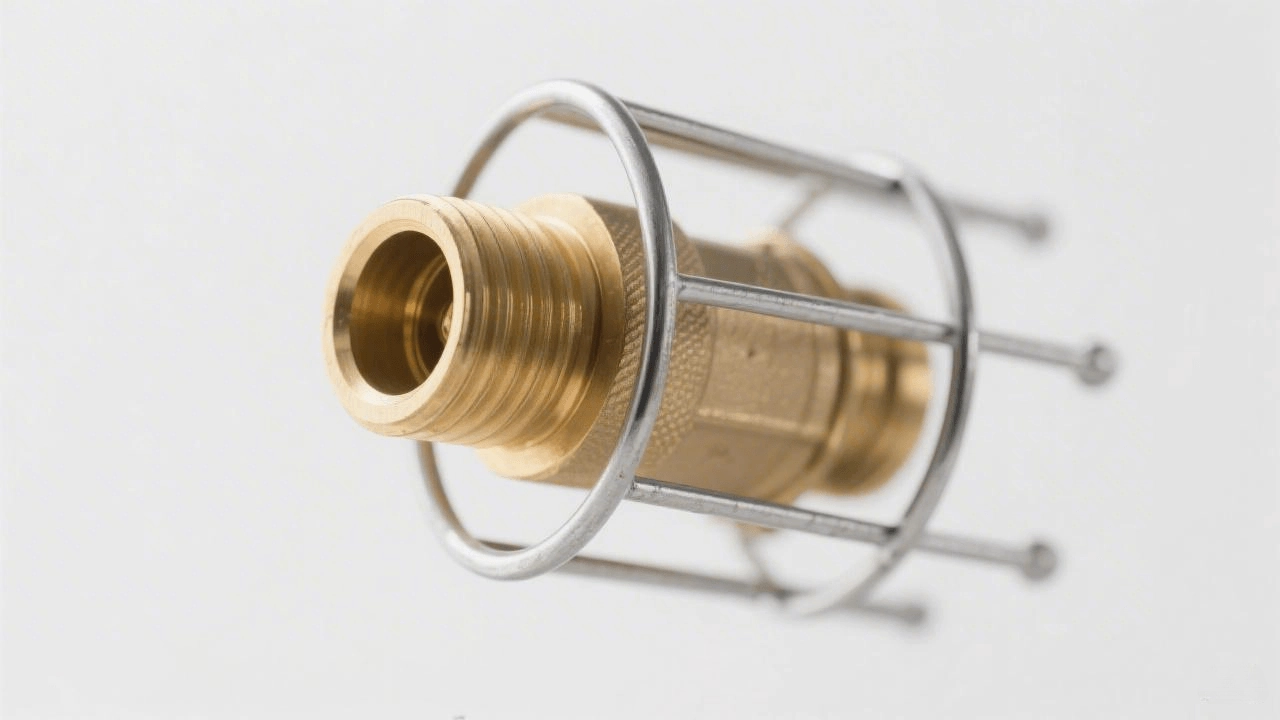
- Galvanic Corrosion: This occurs when two different metals (such as brass fire sprinkler heads and steel pipes) are in contact, creating an electrical current that accelerates metal decay.
Signs of a Corroded System
You don’t need an X-ray to see that something is wrong. Watch for these red flags during your routine inspections:
- Discolored Water: If water coming out of the sprinkler orifices or a test drain appears black, orange, or cloudy, it’s a sign that internal corrosion is present.
- Frequent Sprinkler Clogging: If you find yourself replacing clogged heads frequently, the problem is likely coming from the pipes upstream.
- Pinhole Leaks: Small, persistent leaks at pipe joints or threaded connections are often the first outward signs of advanced internal degradation.
Prevention Strategies: How to Extend Pipe Life
Prevention is always more cost-effective than replacement. Implement these strategies to maintain your fire protection system:
- Regular Drainage & Flushing: Stagnant water is a breeding ground for MIC. Periodic flushing of the system helps remove loose debris and refresh the water supply.
- Nitrogen Inerting: For dry pipe systems, replacing the air with nitrogen significantly slows down the corrosion process by removing oxygen.
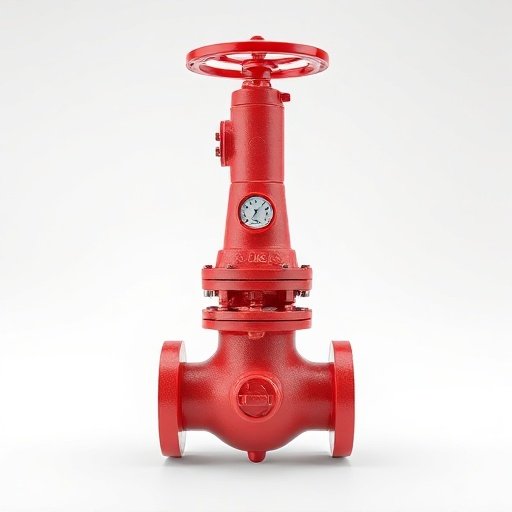
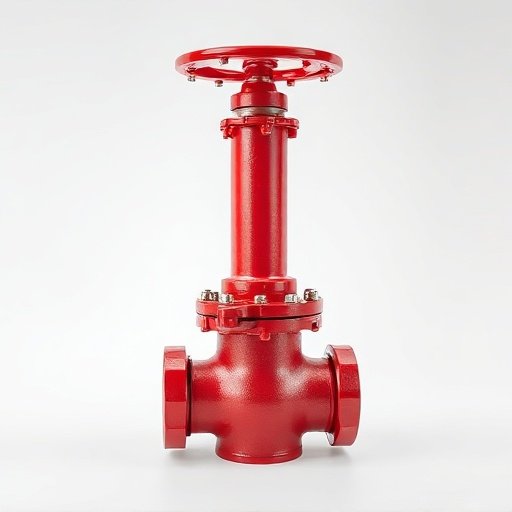
- Quality Material Selection: Always source components from a reputable fire equipment manufacturer that utilizes corrosion-resistant coatings or high-quality alloys for their valves and connections.
Why Material Quality Matters
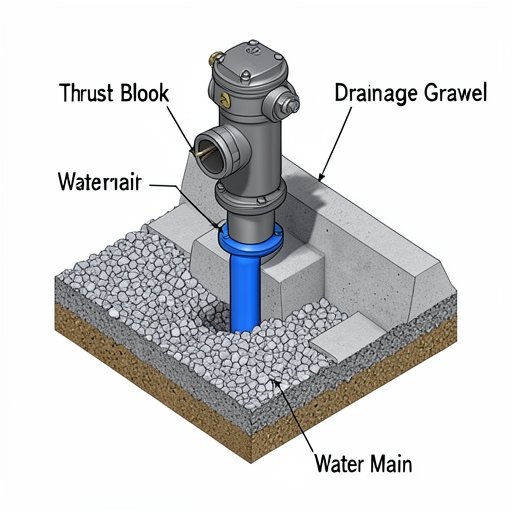
Not all pipe components are created equal. Hengdun Firefighting utilizes high-grade ductile iron and advanced anti-corrosive internal coatings for our valves and hydrants. By ensuring the internal surfaces of our equipment are smooth and protected, we drastically reduce the surface area available for bacteria to attach, effectively fighting MIC at the product level.
FAQ
Can I use chemical cleaners to remove corrosion? Generally, no. Chemical cleaners can damage the internal seals and the integrity of the pipe itself. If a system is severely corroded, the affected sections must be replaced.
How often should I inspect my pipes? Follow NFPA 25 standards. Internal pipe inspections should be conducted at least every 5 years to identify early signs of corrosion.
Conclusion Pipe corrosion is a predictable threat, not an inevitable disaster. By choosing quality equipment from Hengdun and following a strict maintenance schedule, you can protect your facility for decades.
Concerned about the health of your system? Contact our experts to discuss preventative maintenance or system upgrade solutions.