

How can you tell if a sprinkler is designed for a standard office or a high-temperature industrial oven? You look at the glass bulb.
As a professional , we often receive inquiries about the meaning of different glass bulb colors. This guide serves as your quick reference for identifying the based on the international color code.
Why Does Sprinkler Temperature Rating Matter?
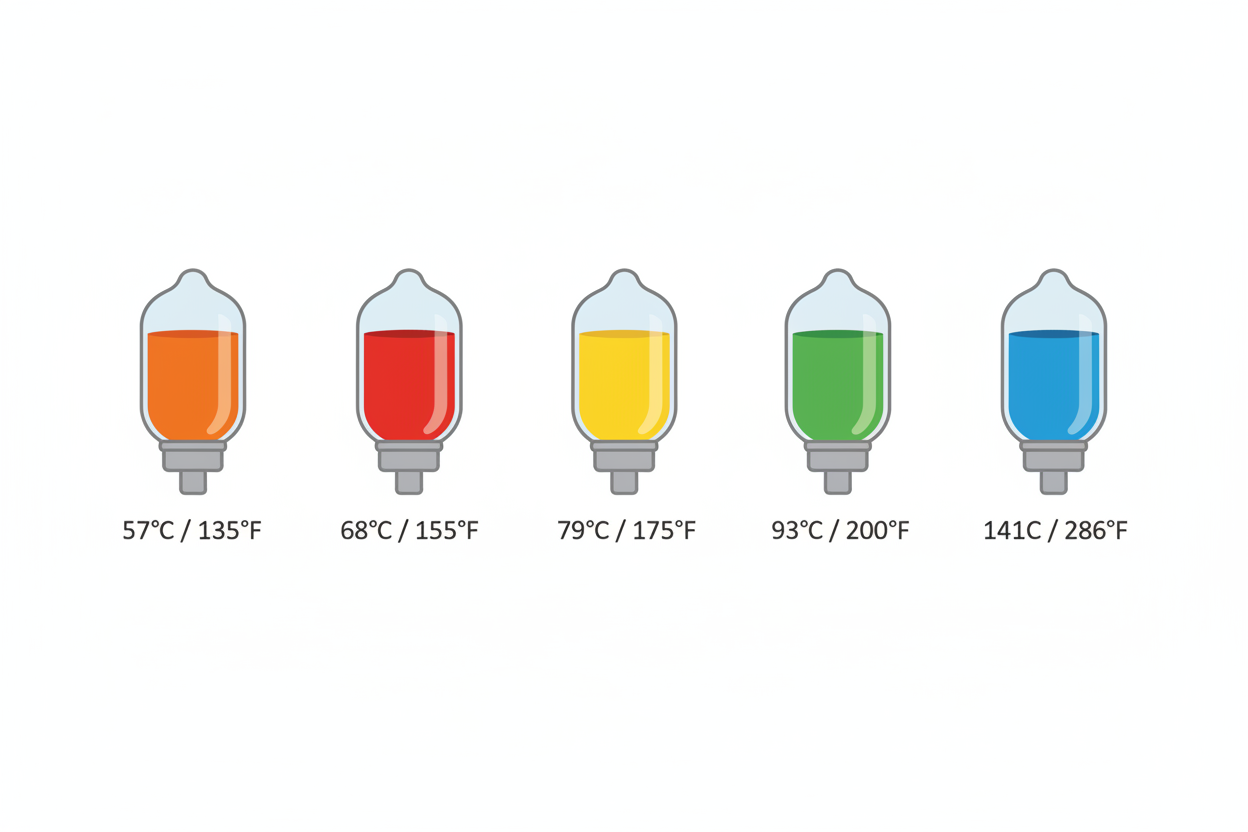
The temperature rating is the specific heat level at which the liquid inside the glass bulb expands enough to burst the glass and activate the sprinkler.
-
If the rating is too low: The sprinkler may activate due to normal room heat, causing “nuisance tripping” and unnecessary water damage.
-
If the rating is too high: The sprinkler will fail to activate during a real fire, allowing the blaze to grow unchecked.
Matching the sprinkler to the environment is the first step in designing an effective .
The Standard Glass Bulb Color Code (NFPA 13)
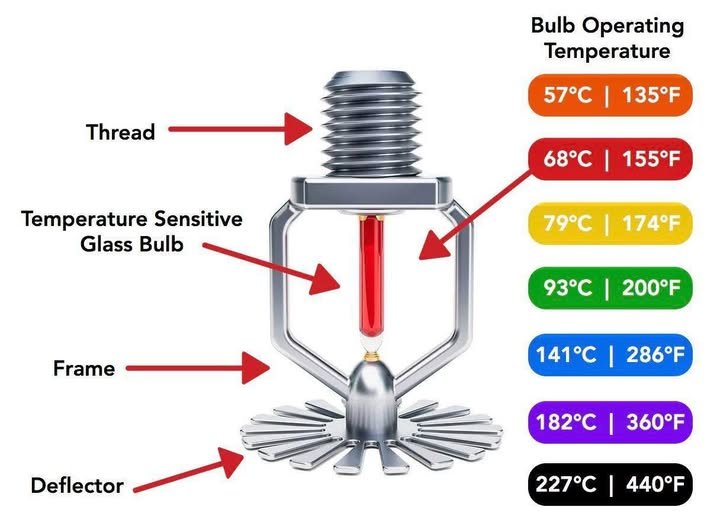
The following color code is standardized under NFPA 13 to help field personnel quickly identify the activation temperature.
| Bulb Color | Temperature Rating (Celsius) | Temperature Rating (Fahrenheit) | Classification |
|---|---|---|---|
| Orange | 57°C | 135°F | Ordinary |
| Red | 68°C | 155°F | Ordinary |
| Yellow | 79°C | 175°F | Intermediate |
| Green | 93°C | 200°F | Intermediate |
| Blue | 141°C | 286°F | High |
| Purple | 182°C | 360°F | Extra High |
| Black | 227°C – 343°C | 440°F – 650°F | Very Extra High |
Visual Identification: Decoding the Glass Bulb
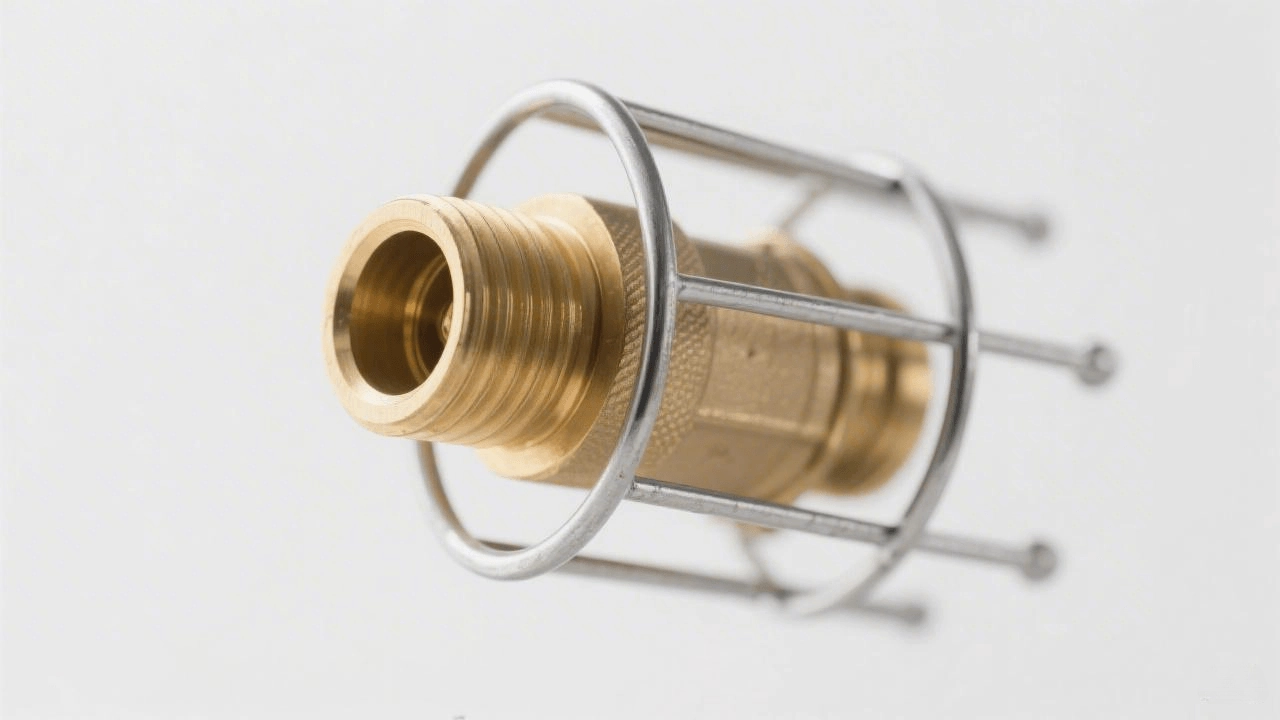
When you inspect a sprinkler, the glass bulb is the most prominent visual indicator. However, always verify the rating by checking the metal frame stamp as well. Manufacturers like Hengdun imprint the rated temperature directly on the frame to ensure accuracy in dim lighting or dusty environments.
Factors to Consider During Selection
When choosing the right , the general rule is to select a temperature rating that is at least 15°C to 20°C (30°F to 40°F) higher than the maximum ambient temperature expected at the ceiling level.
-
For Office/Residential: 68°C (Red) is the industry standard.
-
For Kitchens/Laundry Rooms: 79°C (Yellow) or 93°C (Green) may be required to avoid false alarms from heat-producing appliances.
Manufacturing Quality: Why Hengdun Sprinklers?
Accuracy in the temperature rating is a matter of life and death. At , we utilize high-precision glass bulbs sourced from industry-leading suppliers.
Our quality assurance process includes:
-
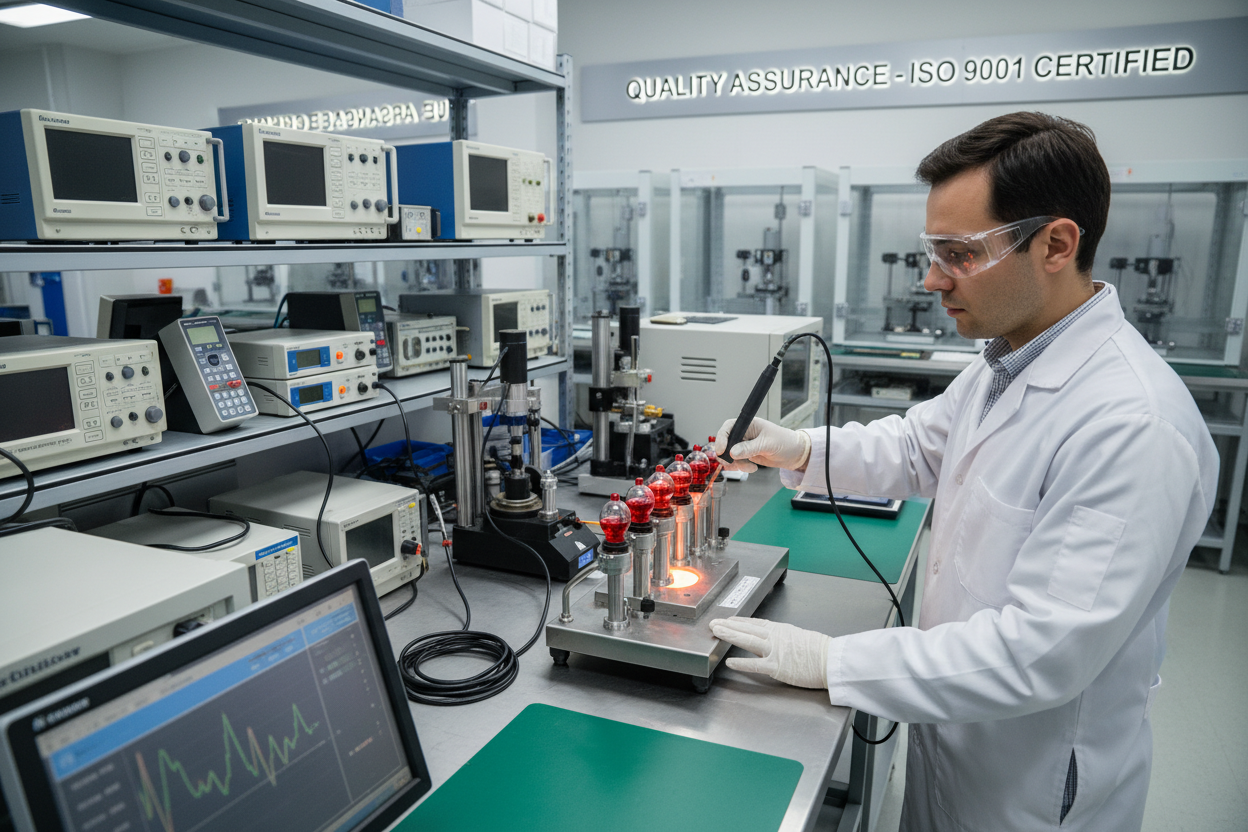
Thermal Calibration: We test batches in controlled water baths to ensure they shatter within the exact temperature window.
-
Structural Integrity: Our brass frames are engineered to hold the bulb firmly, ensuring that vibrations or minor impacts do not cause premature failure.
-
Compliance: All our sprinklers meet international quality benchmarks, providing peace of mind for both contractors and end-users.
FAQ: Sprinkler Color and Temperature
Do all brands use the same color code? Yes, the color coding of the glass bulb liquid is a universal standard (NFPA). You can rely on these colors regardless of the manufacturer, but always double-check the temperature stamped on the metal frame for 100% certainty.
Do these colors fade over time? High-quality glass bulbs are UV-resistant. However, if you see a bulb that has completely lost its color or looks cloudy/leaking, the sprinkler must be replaced immediately, as it is no longer reliable.
What happens if I use a 68°C sprinkler in a 70°C room? The system will trigger a false alarm. The sprinkler will activate, water will flow, and you will face property damage from water—all without a fire being present. Always ensure a safety margin between the room temperature and the sprinkler rating.
Conclusion
Mastering the is an essential skill for anyone involved in fire safety. Whether you are installing a new system or conducting a routine safety audit, knowing what those colors mean keeps your building compliant and your occupants safe.
Need a technical reference chart for your team?