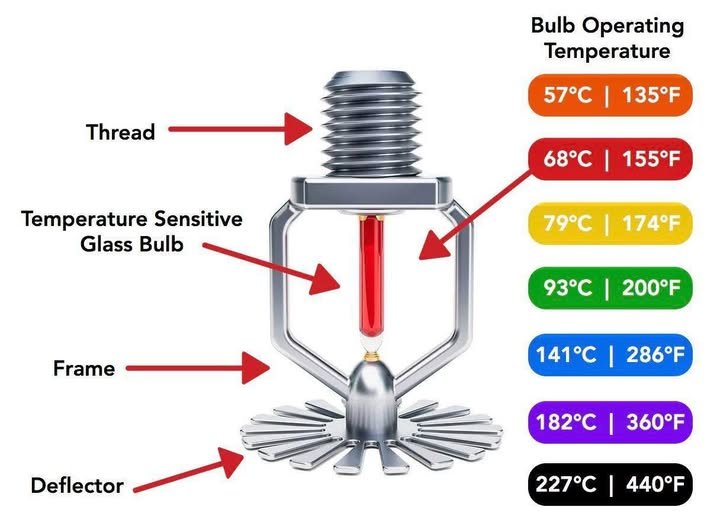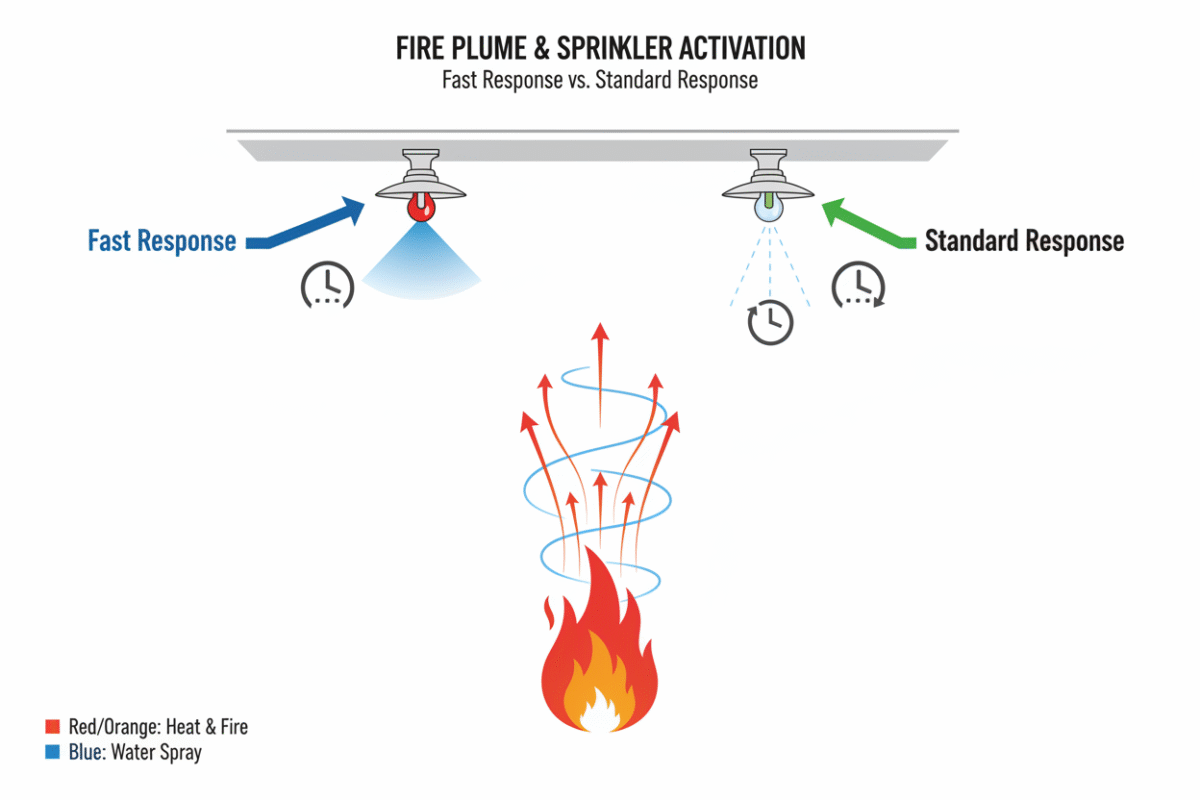


In a bustling warehouse or a busy school gymnasium, a fire sprinkler head is more than just a safety component—it is a vulnerable piece of precision engineering. One accidental hit from a forklift, a stray basketball, or cleaning equipment can shatter the fragile glass bulb, triggering a massive water discharge that could cause thousands of dollars in property damage.
This is where the fire sprinkler guard becomes an essential asset. But do you really need them for every sprinkler? As an experienced fire fighting equipment manufacturer, we frequently receive inquiries regarding NFPA compliance and protective covers. This guide clears up the confusion.
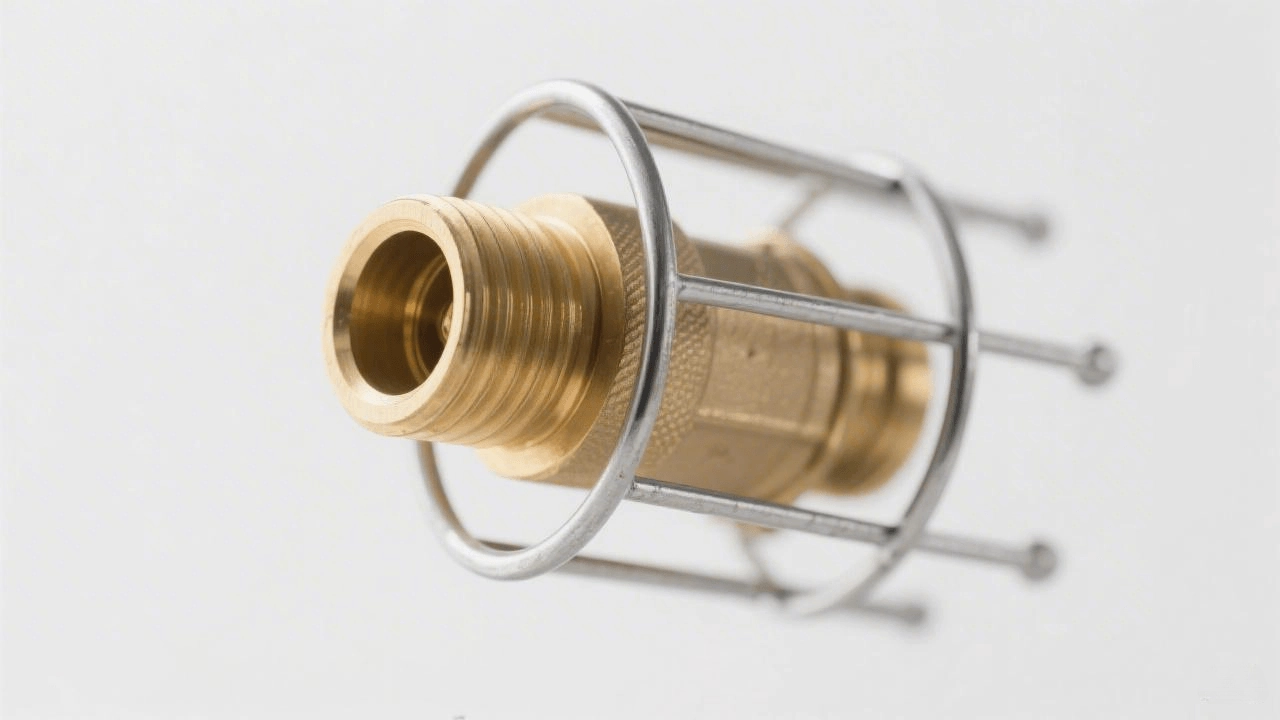
What is a Fire Sprinkler Head Guard?
A fire sprinkler head guard is a heavy-duty steel wire cage designed to encase the sprinkler head. It acts as a physical barrier, absorbing impact from external forces while allowing the sprinkler to perform its function without obstruction.
The primary purpose is to prevent accidental mechanical damage to the sensitive glass bulb. When selected correctly, they are a low-cost insurance policy against accidental activation.
When Are Fire Sprinkler Guards Mandatory?
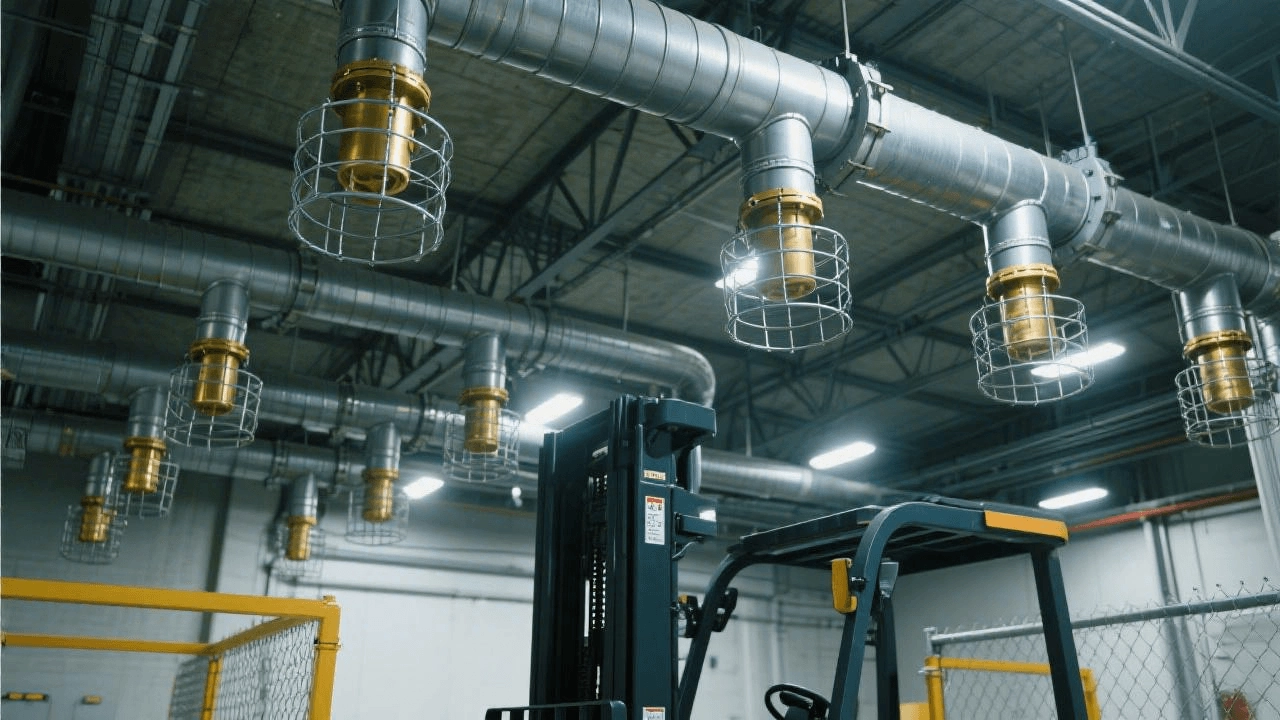
According to NFPA 13 (Standard for the Installation of Sprinkler Systems), guards are not required for every installation, but they become mandatory in specific high-risk scenarios.
1. Areas Subject to Mechanical Damage
Any area where the sprinkler head is prone to physical contact must be protected. This includes:
- Sports Arenas & Gymnasiums: High-flying balls and athletic activity put sprinklers at constant risk.
- Loading Docks: Where forklifts and moving freight can easily strike overhead pipes and sprinklers.
- Low-Ceiling Utility Rooms: Where maintenance workers or moving machinery might accidentally impact the heads.
2. Compliance with Safety Codes
If an inspector determines that your sprinklers are situated in a “vulnerable” location, the code effectively mandates the installation of a sprinkler protection cover. Failing to install guards in these zones can lead to failed safety inspections and potential insurance premium increases.
Selection Guide: Choosing the Right Guard
Installing a guard is not a “one-size-fits-all” process. Using the wrong guard can actually be detrimental.
- Flow Pattern Interference: A poorly designed guard can obstruct the water spray pattern, preventing the sprinkler from covering the required floor area. Always ensure the guard is listed for use with your specific sprinkler model.
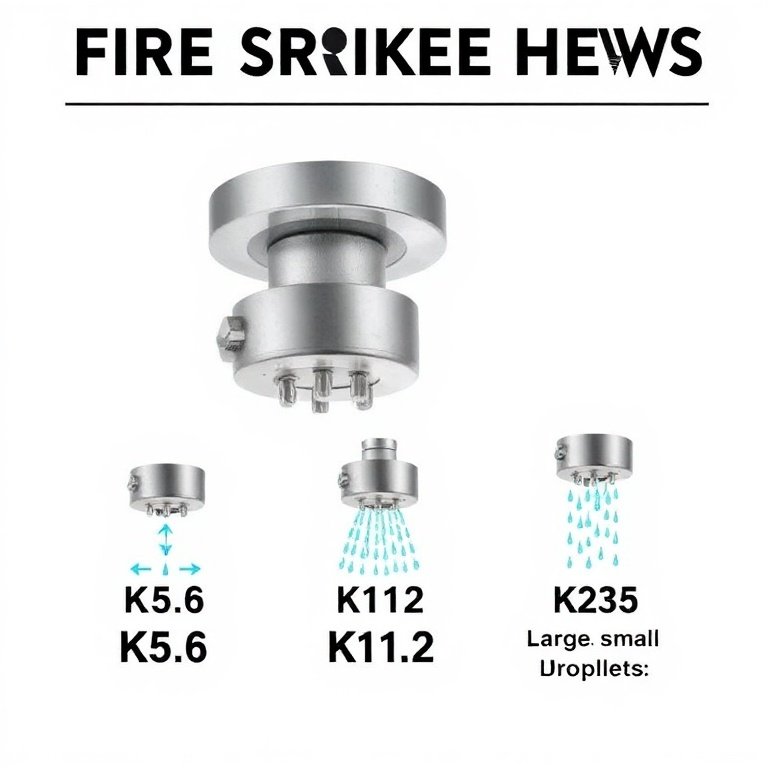
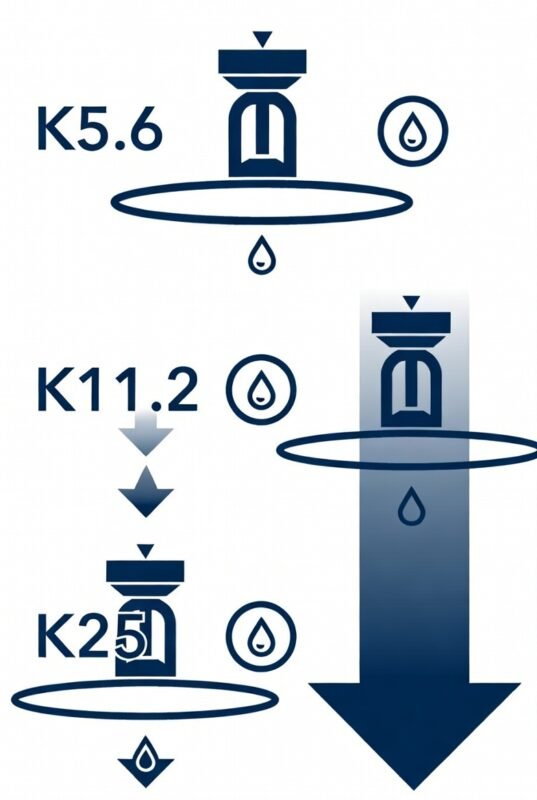
- K-Factor Compatibility: The guard must be compatible with the K-factor of your sprinkler. A guard designed for a standard commercial head may not fit a large-orifice warehouse head.
- Ease of Installation: A professional-grade fire sprinkler head guard should be easy to snap on or screw into place without requiring you to remove or damage the sprinkler head during installation.
Hengdun’s Commitment to System Protection
At Hengdun Firefighting, we recognize that the smallest parts are often the most critical for system reliability. Our guards are manufactured to:
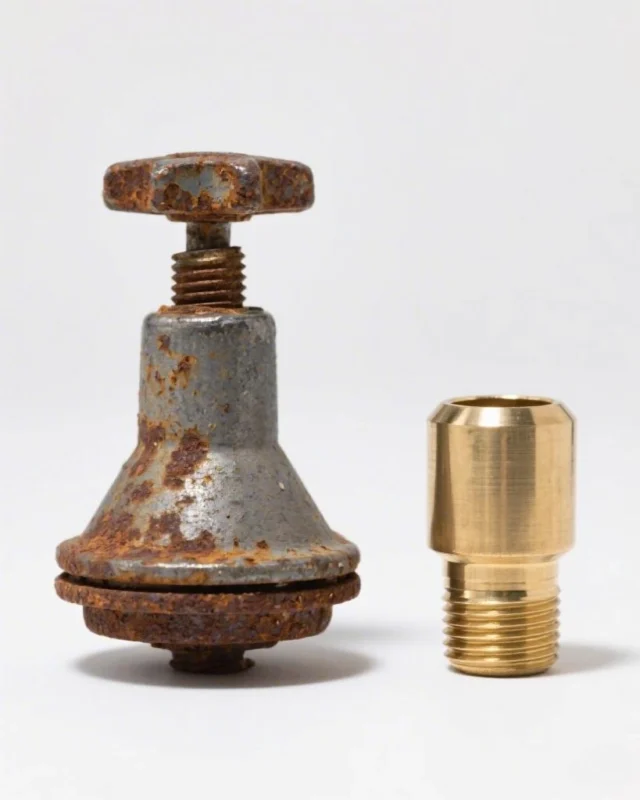
- Resist Corrosion: Each guard features a high-quality galvanized or epoxy coating to prevent rust.
- Maintain Spray Pattern: Our open-wire design is engineered to avoid “shadowing” the spray, ensuring the sprinkler remains fully effective.
- Ensure Fit: We offer a wide range of sizes compatible with all major sprinkler configurations.
Are your sprinklers vulnerable? Contact our experts to get a compatibility check for your system.
FAQ
Do sprinkler guards interfere with water spray?
When chosen correctly (manufacturer-listed), no. They are designed to allow water to pass through freely while only blocking solid objects.
Can I install a guard on any sprinkler?
Not necessarily. You should only use guards that are listed by the manufacturer for use with your specific sprinkler model to ensure compliance with safety standards.