

Sourcing industrial safety products internationally can be daunting. As a global fire fighting equipment manufacturer, we understand that when you buy fire sprinklers, hydrants, or valves, you aren’t just buying metal—you are buying a guarantee of safety for your clients.
Whether you are a construction contractor or a fire equipment wholesaler, this guide outlines how to successfully import fire equipment from China while ensuring quality, compliance, and on-time delivery.
Step 1: Vetting Your Fire Equipment Manufacturer
The most critical step in the supply chain is choosing the right partner. Not all Chinese suppliers are created equal.
- Factory vs. Trading Company: Always prioritize direct manufacturers like Hengdun Firefighting. Trading companies often lack the technical expertise to troubleshoot installation issues or provide customized product lengths.
- Check Essential Certifications: Does the manufacturer hold ISO 9001, 14001, or 45001? Can they provide the specific compliance documents required in your country (such as CCC for China, UL/FM for the US, or EN standards for Europe)?
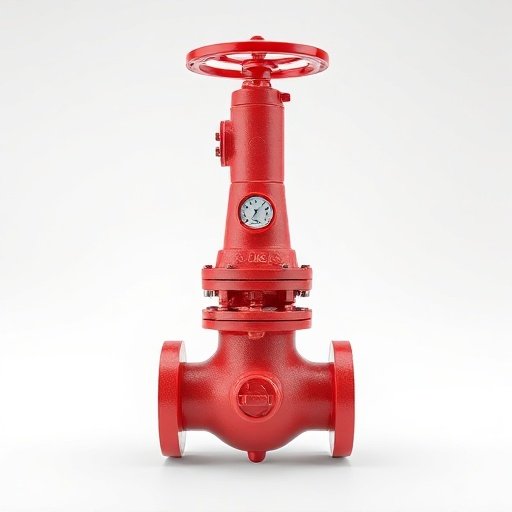
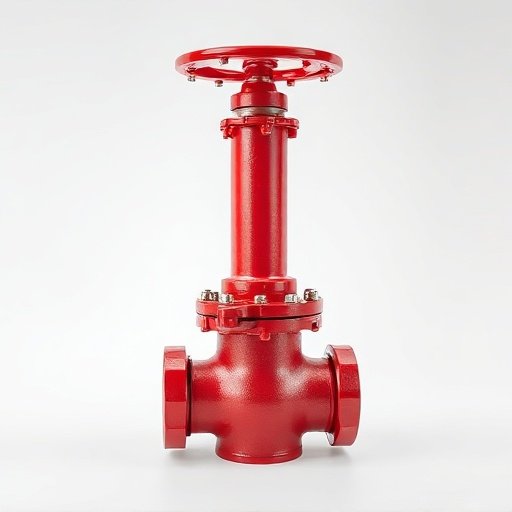
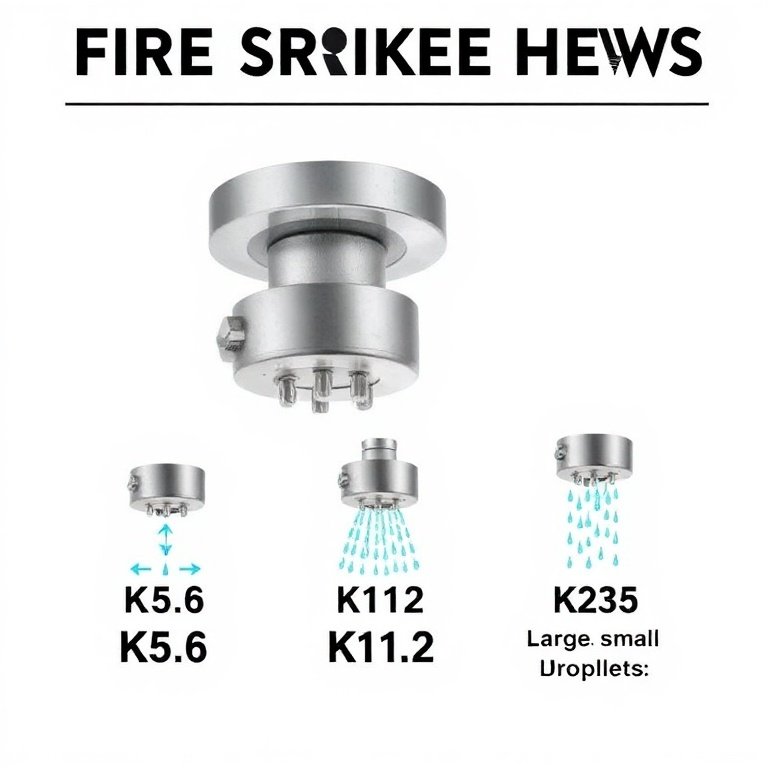
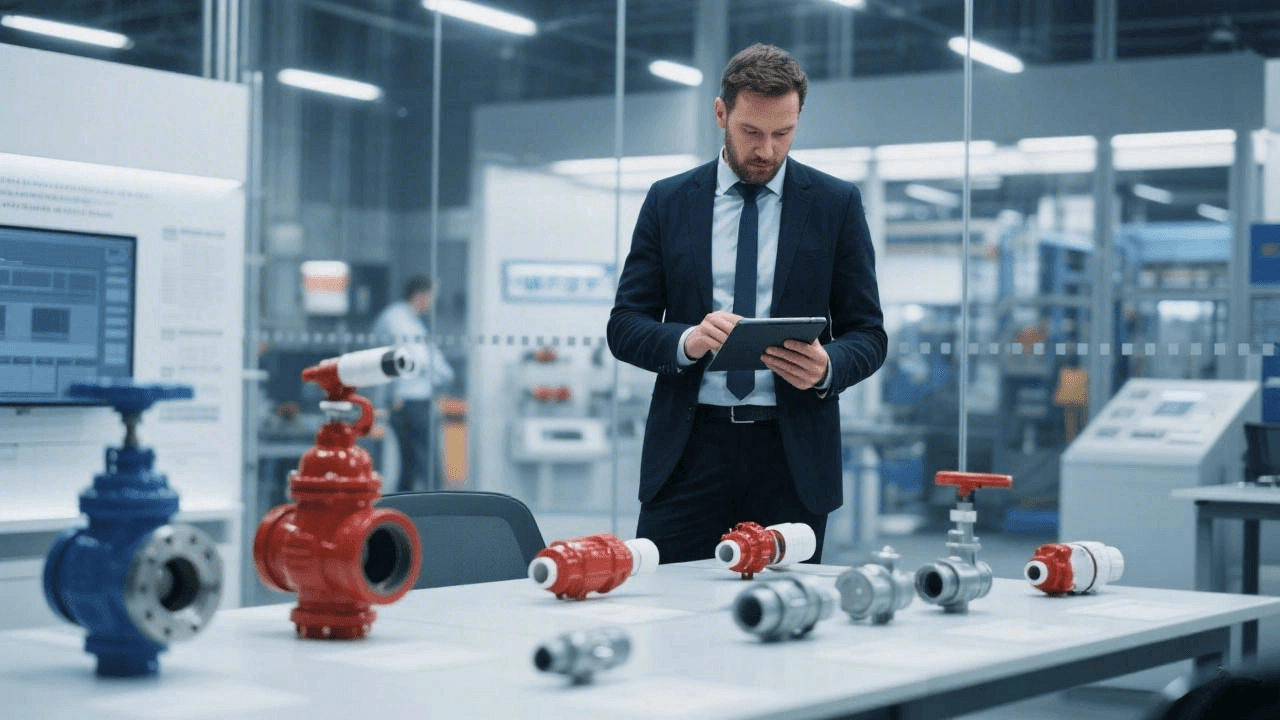
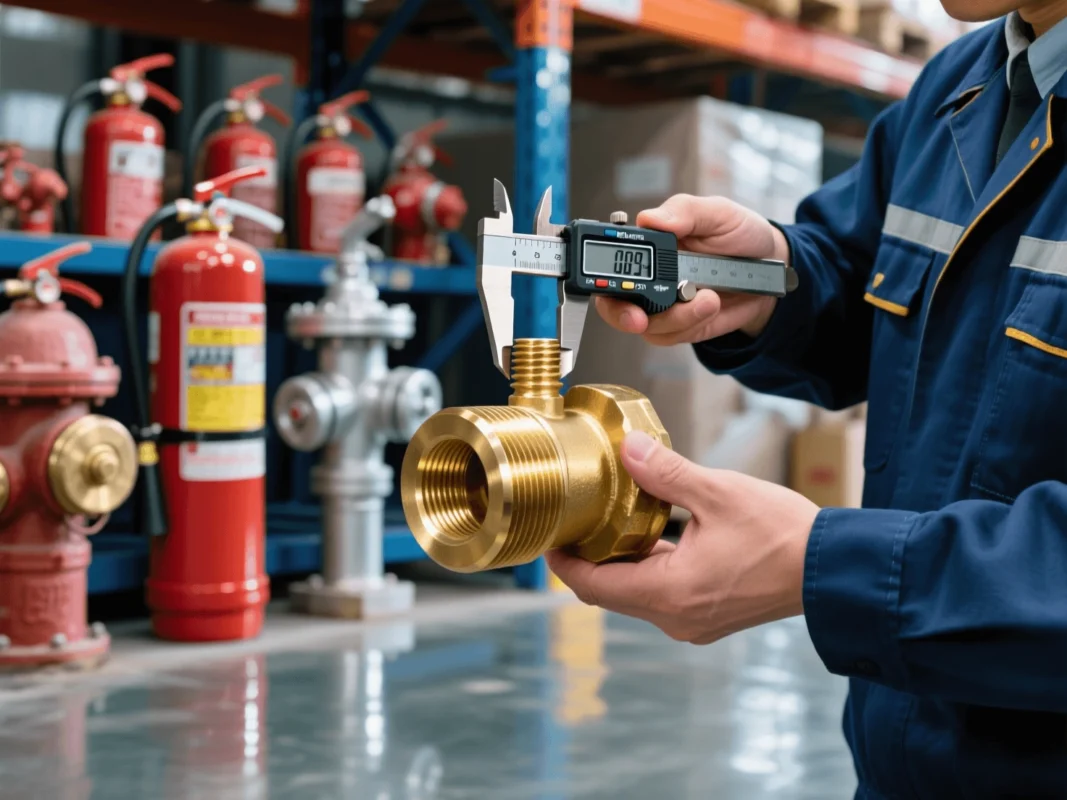
- The “Sample Test” Rule: Never commit to a large-scale project without ordering samples first. Inspect the weight, material density, and finish of the fire sprinklers and valves.
Step 2: Ensuring Product Quality Control
Quality control (QC) is the backbone of fire safety. When importing, you must have a clear QC strategy:
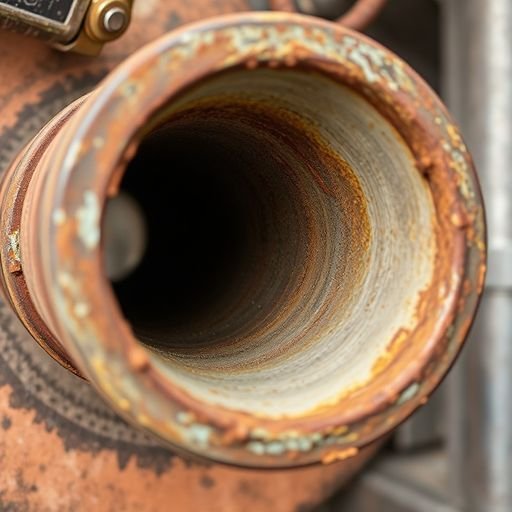
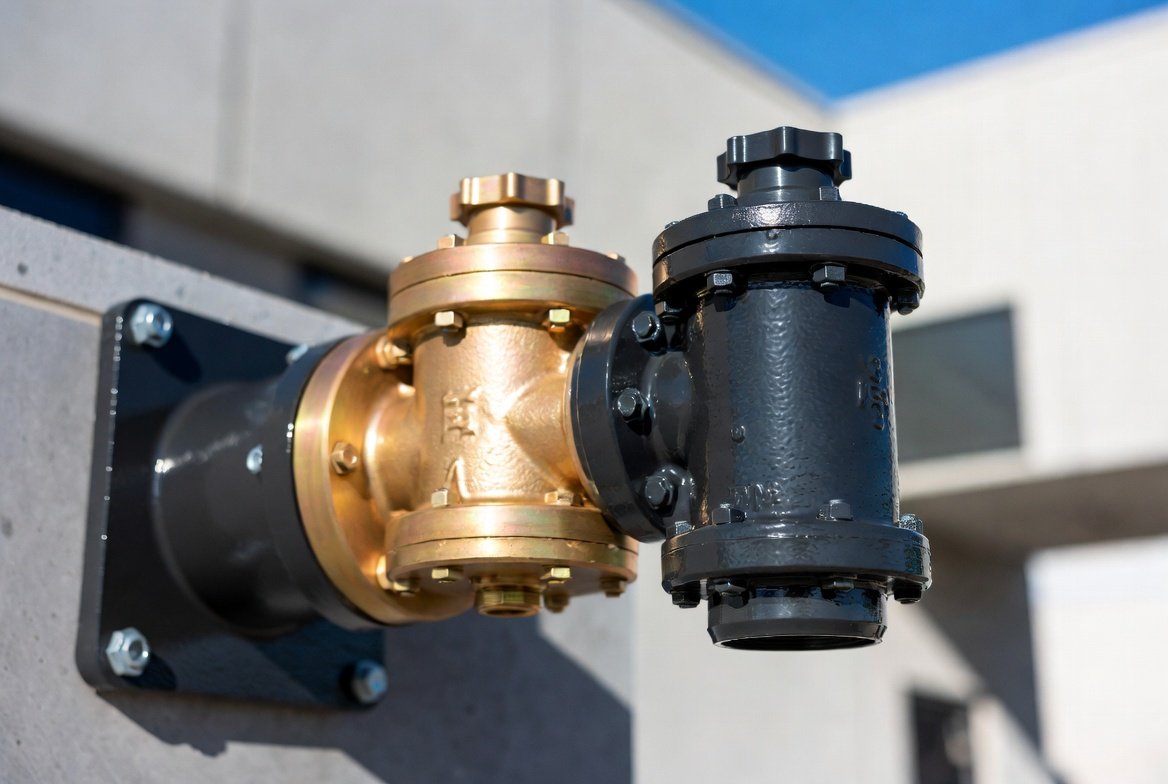
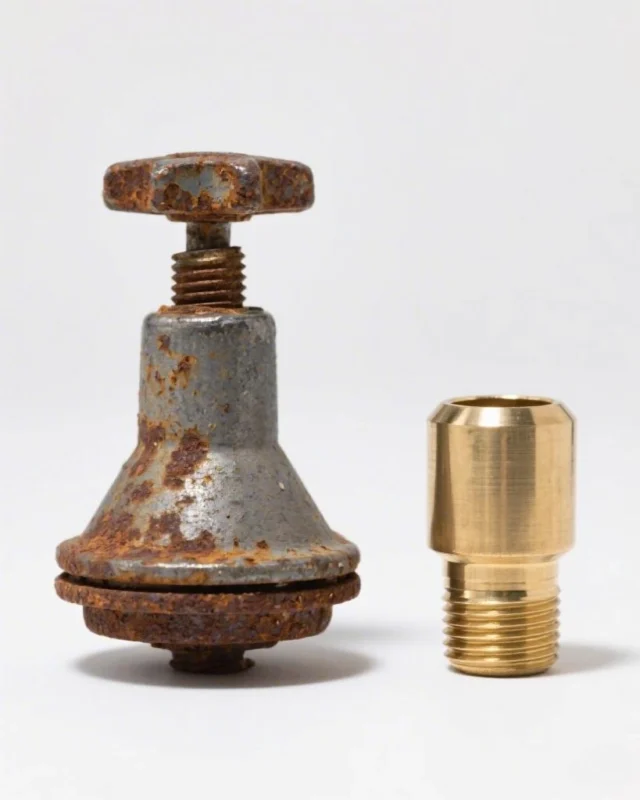
- Material Integrity: High-quality fire gear is usually made of brass or ductile iron. Be wary of suppliers using inferior alloys that can corrode under pressure.
- Hydrostatic Testing: Ensure your supplier tests every unit—not just a random sample—for pressure leaks before packing.
- Third-Party Inspections: If you are managing a massive government project, hire a third-party inspection agency (like SGS or Intertek) to perform a final inspection at the factory before the containers are sealed.
Step 3: Logistics and International Customs
Managing the shipment of industrial goods requires attention to detail.
- Incoterms Selection: Understand the difference between FOB (Free on Board) and CIF (Cost, Insurance, and Freight). Most professional buyers prefer FOB, as it gives you control over your own freight forwarder and shipping costs.
- HS Codes: Fire protection equipment falls under specific Harmonized System (HS) codes. Incorrect classification can lead to huge customs penalties or delays at your port. Consult with your customs broker to ensure the code matches the specific equipment (e.g., valves vs. hoses).
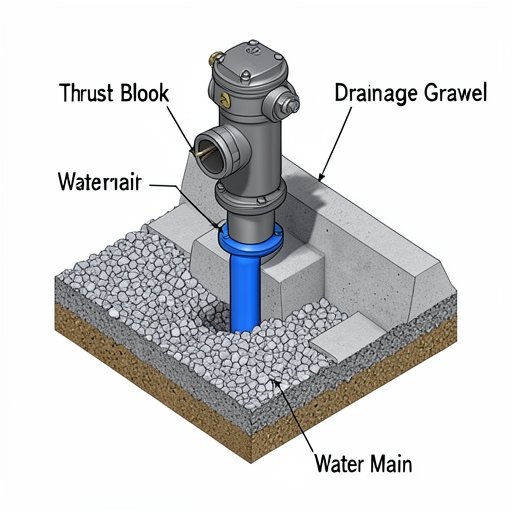
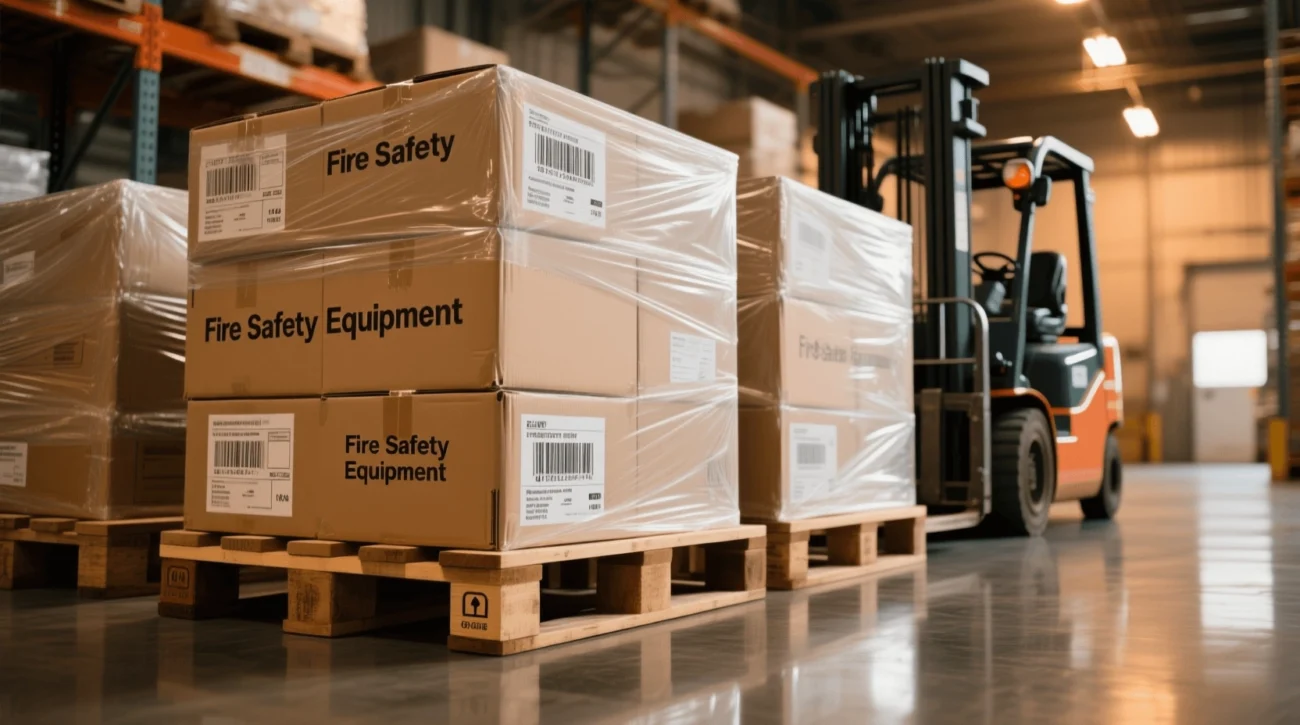
- Packaging: Heavy items like fire hydrants must be palletized and wrapped to withstand long sea voyages without sustaining damage to the threads or seals.
Why Hengdun is Your Ideal Export Partner
At Hengdun, we have spent over a decade streamlining the export process for our global partners. We understand the unique challenges of international trade:
- One-Stop Sourcing: From fire hose reels and valves to complete sprinkler systems, we offer a vast catalog to simplify your BOM (Bill of Materials).
- Technical Support: We don’t just ship products; we support your engineering team with technical data sheets and installation guidance.
- Export Proven: We have successfully shipped to commercial and industrial projects across continents, ensuring every shipment arrives on schedule and in perfect condition.
FAQ: Common Import Worries
How long is the typical lead time?
For standard items, we can usually prepare orders in 20-30 days. For custom OEM projects, lead times may vary based on mold development.
Can I request custom branding?
Yes. We offer OEM/ODM services where we can laser-mark your brand logo onto our sprinklers and valves, helping you build your local brand identity.
How is the equipment packed for international shipping?
We use seaworthy, palletized export packaging to prevent damage, ensuring your fire protection system components arrive ready for installation.
Conclusion
Success in importing is built on preparation. By vetting your manufacturer, enforcing strict quality control, and choosing an experienced logistics partner, you can bring high-quality fire safety equipment into your market seamlessly.
Ready to start? Contact our experts today, and send us your project’s Bill of Materials (BOM) for a professional quote and logistics assessment.