

When designing an indoor fire suppression system, the choice of manual firefighting equipment is critical. The indoor hydrant, or landing valve, is the primary tool for first responders. One of the most frequent dilemmas for procurement managers and engineers is choosing between a single valve and a double valve fire hydrant.
Is it always better to have two outlets? Does a single valve suffice for most commercial buildings? As a leading fire fighting equipment manufacturer, Hengdun Firefighting provides this technical comparison to help you select the most efficient and compliant hardware for your facility.
What is a Single Valve Indoor Hydrant?
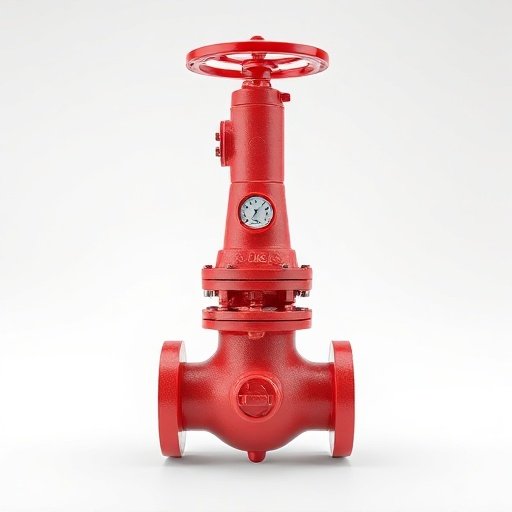
The single valve hydrant is the industry standard for low to medium-hazard environments. It features one inlet connected to the building’s wet riser and one outlet for a single fire hose connection.
- Best for: Residential apartments, small offices, and schools.
- Pros: Compact footprint, lower initial cost, and simpler maintenance.
- Cons: In the event of a severe fire, only one hose line can be deployed from that specific landing, limiting the suppression volume.
What is a Double Valve Double Outlet Hydrant?
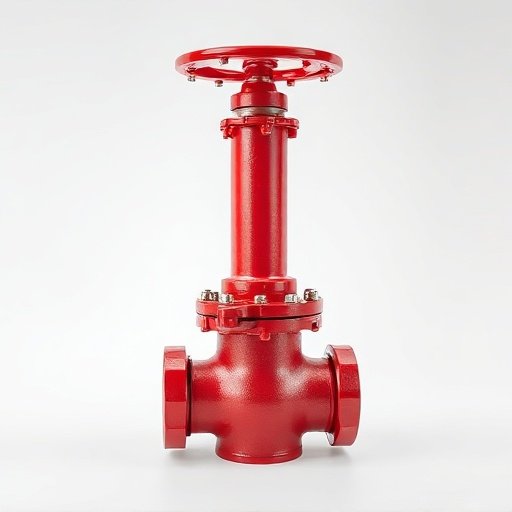
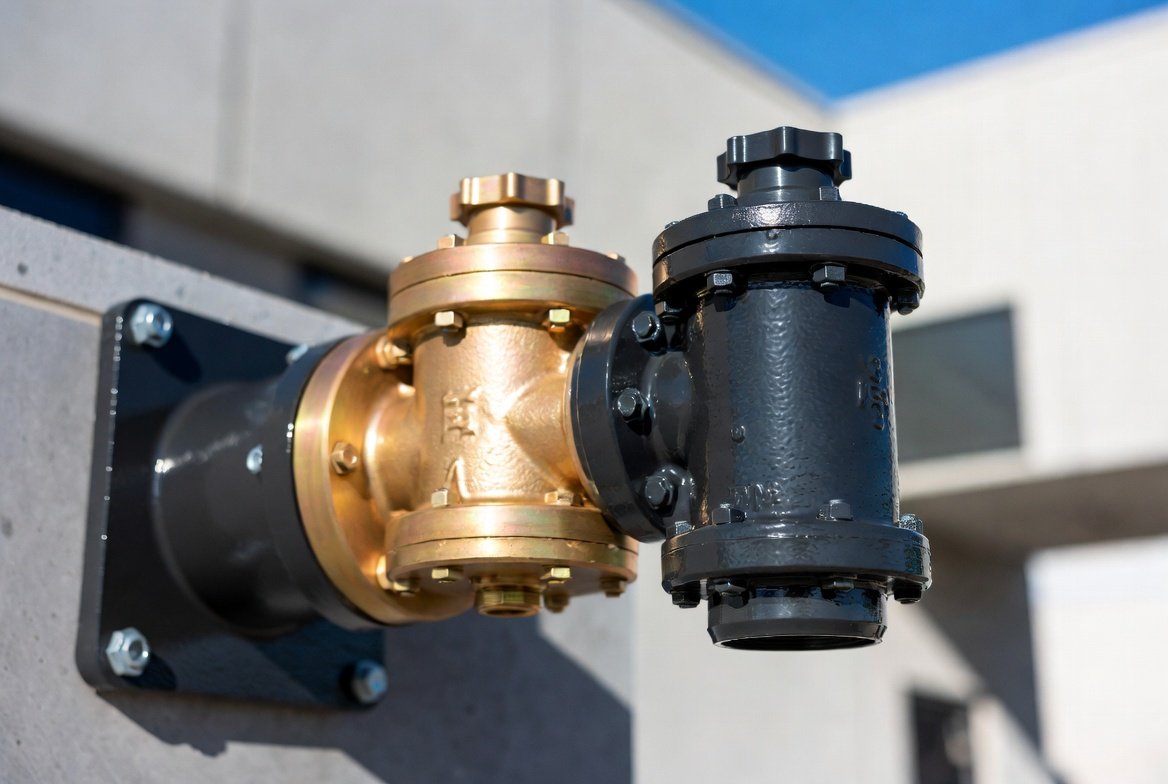
Commonly referred to as a double outlet hydrant, this model features two independent valves and outlets controlled from a single riser connection. The SN65 indoor hydrant in a double-valve configuration is often the preferred choice for high-risk zones.
- Best for: Shopping malls, theaters, high-piled warehouses, and high-rise commercial centers.
- Key Advantage: It allows two separate teams of firefighters to connect and operate two hose lines simultaneously from the same location, doubling the fire-fighting power.
Head-to-Head Comparison: Double vs. Single Valve
To choose the right indoor fire hydrant, you must evaluate three key performance metrics:
1. Water Flow Capacity
A double valve fire hydrant provides significantly higher total water discharge. While the riser pressure remains the same, having two outlets reduces the “bottleneck” effect, allowing for greater water volume to be applied to the fire source rapidly.
2. Safety Redundancy
Mechanical failure is rare but possible. With a single valve, if the handwheel or seal fails, that hydrant becomes useless. A double valve setup provides 100% redundancy; if one valve is obstructed or damaged, the second outlet remains operational, ensuring the building is never without protection.
3. Space and Installation Costs
While a double valve unit costs more than a single one, it is often more cost-effective than installing two separate single-valve cabinets in close proximity. It maximizes the utility of a single riser point, saving on labor and piping.

When Should You Choose the Double Valve Model?
Compliance codes often dictate the minimum requirements, but professional safety planning goes beyond the bare minimum. You should specify a double valve fire hydrant if:
- Occupancy is high: Any building where large crowds gather requires faster suppression capabilities.
- Fuel load is high: Warehouses or industrial plants where fire can spread fast need the extra volume provided by dual hose lines.
- High-rise requirements: Many modern codes mandate double outlets on floors above a certain height to compensate for the time it takes for additional help to arrive.
Why Source Specialized Hydrants from Hengdun?
At Hengdun Firefighting, we specialize in the precision casting of SN65 indoor hydrants. Our double valve models are built for the toughest conditions:
- Ductile Iron & High-Grade Brass: Ensuring the body can handle high-pressure surges without cracking.
- Independent Operation: Both valves are engineered to operate smoothly without interfering with the other’s flow.
- 100% Quality Check: Every unit undergoes hydrostatic testing to ensure zero leakage before it leaves our factory.
FAQ
Does a double valve hydrant require a larger fire cabinet? Yes, double valve hydrants are wider. You will need to ensure your fire hose reel cabinets are specified for “Double Outlet” configurations to allow enough room for both hose connections and handwheel operation.
Can I replace a single valve with a double valve on an existing riser? Usually, yes. As long as the pipe diameter and water supply can support the flow for two hoses, a double valve can be retrofitted to improve safety.
Conclusion
When it comes to Double vs. Single Valve Hydrants, the “better” choice depends on your project’s risk profile. While single valves are sufficient for low-hazard areas, the double valve fire hydrant offers unparalleled flow capacity and life-safety redundancy for high-traffic and industrial sites.
Upgrading your building’s fire safety? Contact our technical team today to request a wholesale quote for our high-capacity SN65 double valve hydrants.