

When an emergency strikes in a commercial building or industrial facility, the first line of defense is often a fire hose reel. Unlike fire extinguishers, which have a limited discharge time, a hose reel provides a continuous supply of water, allowing trained personnel or building occupants to suppress a fire before it spreads.
However, for procurement managers, MEP engineers, and fire equipment wholesalers, selecting the right equipment involves more than just picking a red wheel off a shelf. You must consider the activation mechanism, hose material, dimensions, and local compliance codes.
As a leading fire fighting equipment manufacturer, Hengdun Firefighting has produced this ultimate sourcing guide to help you navigate the specifications and choose the best fire hose reel for your next bulk order or construction project.
Manual vs. Automatic Fire Hose Reels: What’s the Difference?
The first major decision in selecting a fire hose reel is the operation mechanism. Both types look similar from the outside but function differently during an emergency.
Manual Fire Hose Reels
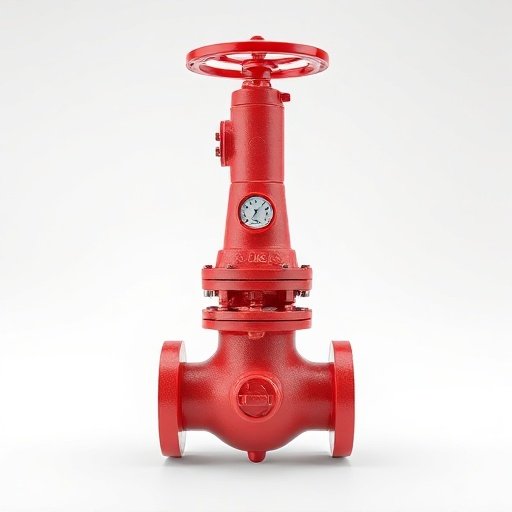
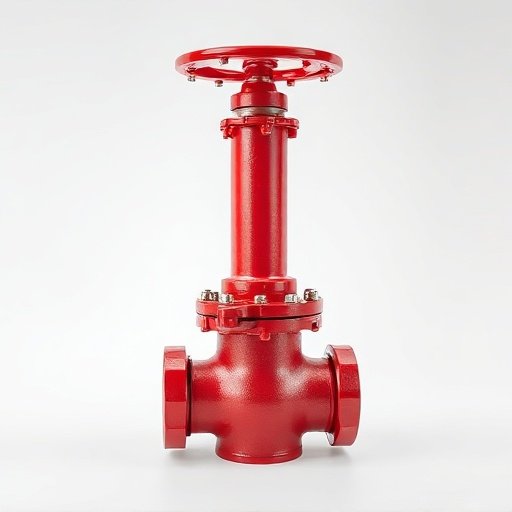
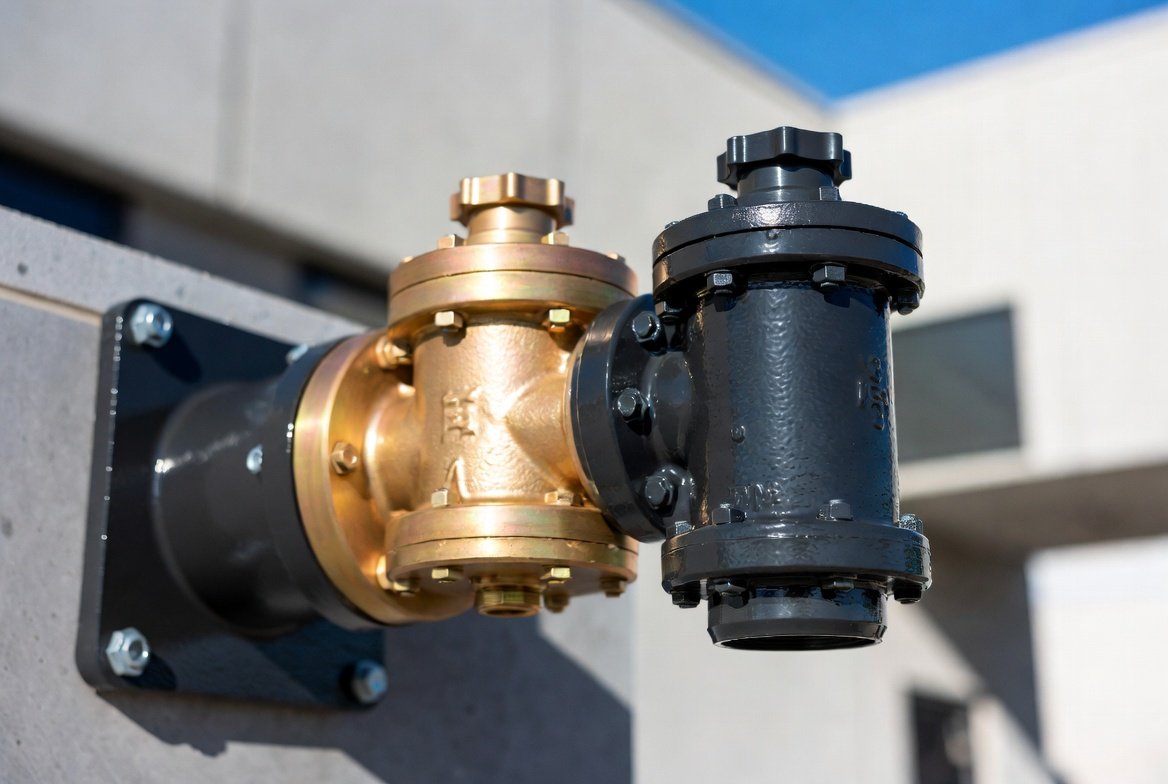
A manual hose reel requires the user to physically open a separate gate valve (usually located next to the reel) to allow water to flow into the hose before unrolling it.
- Pros: Simpler design, generally more cost-effective, and very reliable.
- Best for: Standard commercial buildings where trained maintenance staff are present.
Automatic Fire Hose Reels
An automatic hose reel features a built-in internal valve. As soon as the user pulls the hose and unwinds it (usually after 2 or 3 rotations), the internal valve opens automatically, and water begins to flow.
- Pros: Faster response time, fewer steps to operate in a panic situation.
- Best for: High-risk areas or public spaces (like shopping malls and hospitals) where untrained civilians might need to operate it.

Decoding Hose Materials: PVC vs. Rubber-Lined
The material of the hose directly affects its durability, weight, and cost. Understanding these differences is crucial for wholesale sourcing.
PVC (Polyvinyl Chloride) Fire Hoses
PVC hoses are lightweight and highly cost-effective. They resist chemical corrosion and are easy to roll up.
- Application: Ideal for standard indoor commercial applications, such as office buildings, schools, and retail stores where the hose is protected from extreme weather.
Rubber-Lined Fire Hoses
Our top-selling DN25 rubber-lined fire hose reels are designed for heavy-duty environments. The rubber lining provides superior resistance to kinking, abrasion, and high pressure.
- Application: Essential for industrial plants, warehouses, marine environments, and any location where the hose might be dragged over rough surfaces or exposed to temperature fluctuations.
Specifications: Dimensions, Lengths, and Diameters
Matching the physical dimensions of the reel to the building’s water supply and cabinet space is a critical engineering requirement.
1. Standard Diameters
- DN19 (3/4 inch): The standard for most light-commercial applications, providing adequate flow with a lighter hose that is easier to handle.
- DN25 (1 inch): Provides a significantly higher water flow rate, mandatory for high-hazard areas, factories, and large public venues.
2. Recommended Hose Lengths
The length of the hose determines the coverage area from a single installation point. The most common lengths are:
- 20 Meters (65 ft): Standard for smaller corridors.
- 25 Meters (82 ft): The industry standard for most commercial buildings.
- 30 Meters (100 ft): Used in large open spaces like warehouses, though it requires more physical effort to unroll and heavier water pressure to maintain flow.
Essential Accessories to Consider
A fire hose reel is a system, and its performance relies heavily on its accessories.
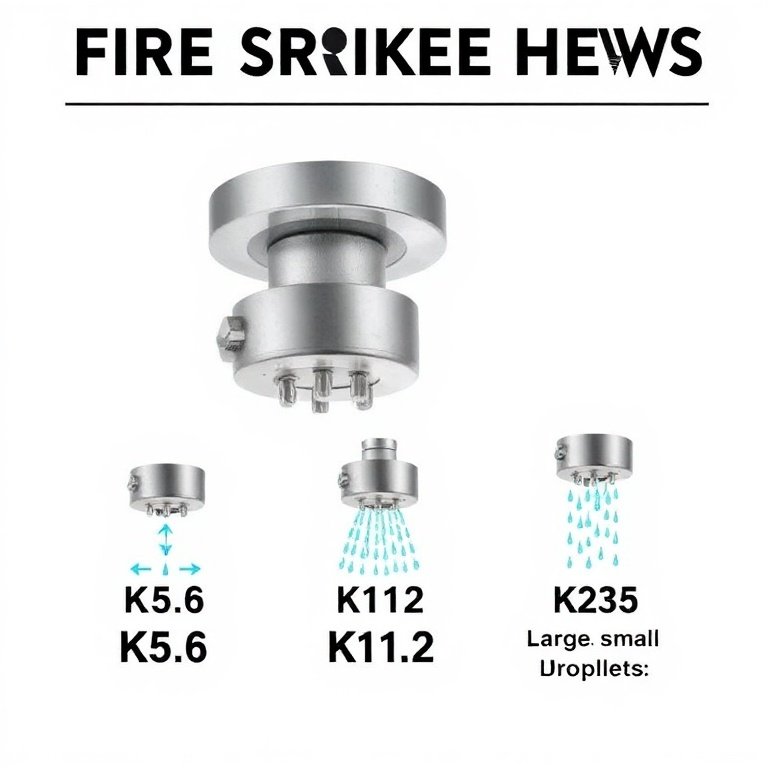
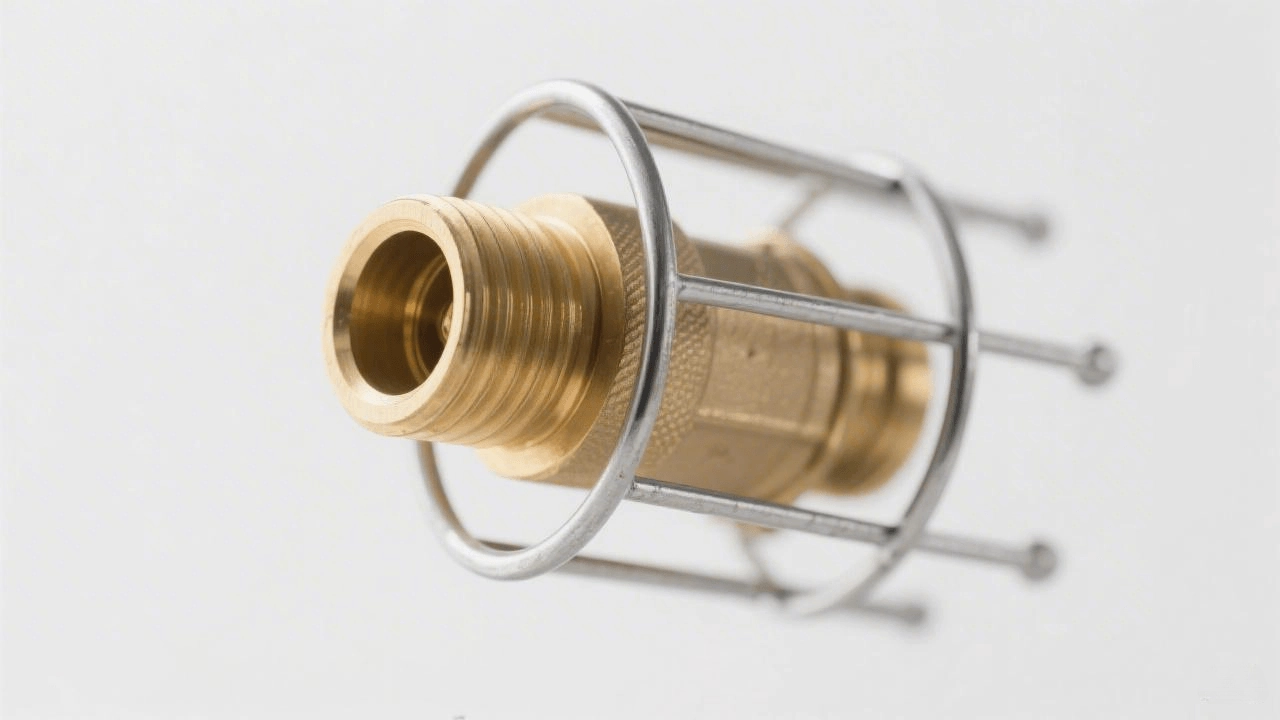
- Spray Nozzles: Most modern reels come equipped with adjustable brass or high-impact plastic nozzles that can switch between a solid jet stream (for reach) and a wide fog pattern (for covering a larger area and cooling the room).
- Fire Hose Reel Cabinets: To protect the reel from dust, UV light, and vandalism, it is typically housed in a cold-rolled steel or stainless steel double-door cabinet. We manufacture cabinets that can be wall-mounted or recessed.
The Hengdun Advantage: Your Trusted Manufacturer
When you order in bulk, you need a factory that guarantees both competitive pricing and uncompromised safety.
At Hengdun Firefighting, we offer:
- Direct Wholesale Pricing: By cutting out the middleman, we provide excellent margins for global distributors.
- Certified Quality: Our reels are manufactured strictly under ISO 9001 systems and meet international 3C standards, ensuring they can handle required operating pressures without leaking.
- OEM Customization: Need specific lengths, cabinet colors, or your brand logo printed on the nozzle? Our factory accommodates full OEM/ODM requests.
FAQ
What is the ideal water pressure for a fire hose reel? Most standard fire hose reels are designed to operate at a minimum working pressure of 2 to 3 bar, but they are factory-tested at much higher pressures (often 12 bar or more) to ensure burst resistance.
Can fire hose reels be used outdoors? Standard reels are typically for indoor use. If installed outdoors, they must be housed in a weather-proof, anti-corrosive stainless steel cabinet and protected from freezing temperatures.
Conclusion
Selecting the right fire hose reel—whether manual or automatic, PVC or rubber-lined—is a foundational decision in building safety. By understanding the specifications and sourcing from a reliable factory, you ensure long-term compliance and performance.
Ready to stock up or equip your next major project? Contact our sales team today to download our complete product catalog and receive a custom wholesale quote.