

In the fire protection industry, sourcing high-quality gear is not just a standard procurement task—it is a critical safety responsibility. Whether you are ordering a batch of fire sprinklers for a hotel or outfitting an industrial warehouse with fire hydrants, choosing the wrong supplier can lead to project delays, failed safety inspections, and catastrophic liability.
To help you make an informed decision, here are the top 10 questions every procurement manager and engineer should ask a potential fire equipment supplier.
Phase 1: Compliance and Certifications
1. Can you provide valid ISO and third-party test reports?
Safety gear must be backed by data. A professional supplier should offer ISO 9001, 14001, and 45001 certificates. Furthermore, ask for specific test reports for the products you are ordering.
2. Is your product compliant with international standards?
Does the equipment meet NFPA, UL, FM, or EN standards required in your region? A reliable partner will explicitly confirm compliance with your local safety codes.
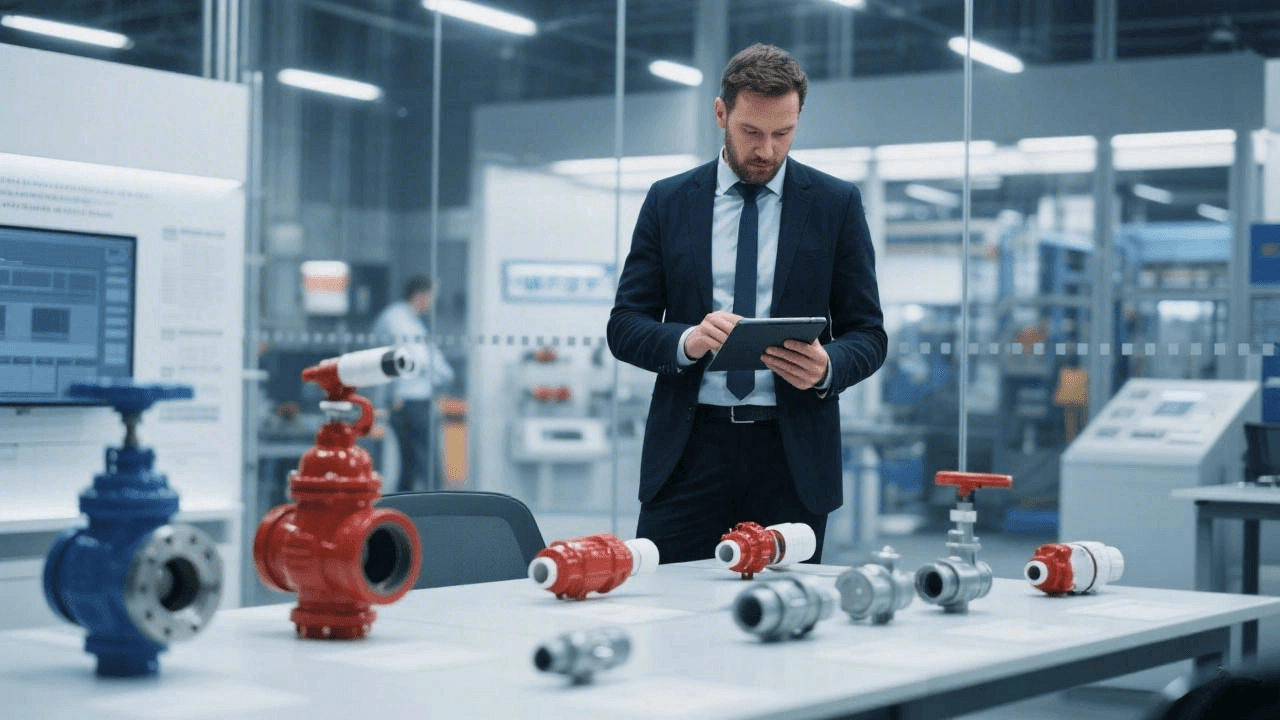
3. Do you perform 100% pressure testing before shipping?
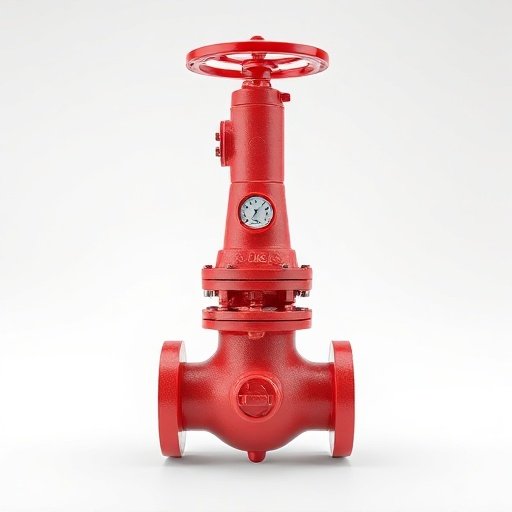
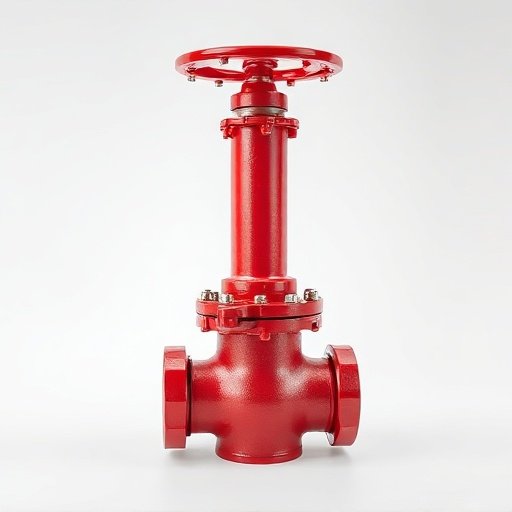
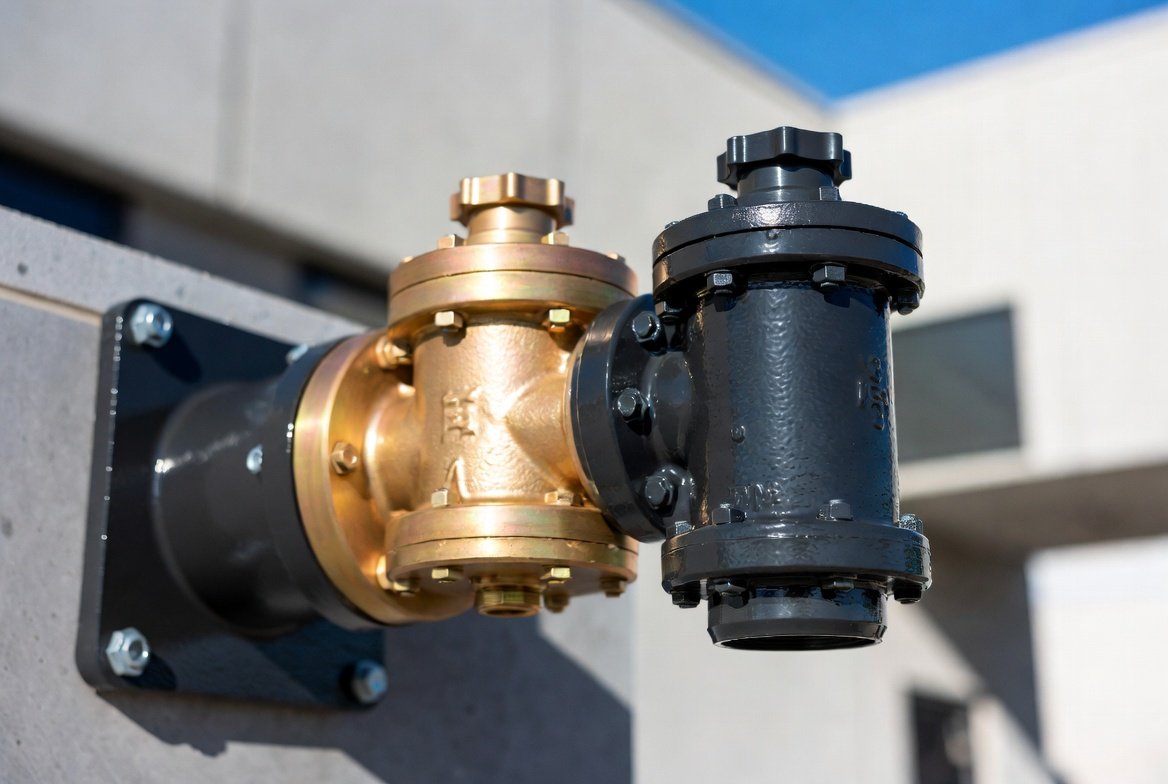
Never settle for “spot checks” when it comes to valves and hydrants. As a leading fire fighting equipment manufacturer, Hengdun conducts rigorous hydrostatic testing on every unit to ensure zero leakage.
Phase 2: Production and Capacity
4. Are you a direct factory or a trading company?
Trading companies often add layers of cost and lack the ability to troubleshoot technical issues. Dealing directly with a factory ensures better price control and faster communication.
5. What is your lead time for large bulk orders?
Transparency is key. Ask for a realistic production timeline and confirm how they handle peak-season capacity so your project isn’t derailed by supply shortages.
6. Can you handle custom OEM/ODM labeling?
If you are looking to build your own local brand, ask if the supplier can laser-mark your logo on the fire hose or valve bodies without compromising the product’s finish.
Phase 3: Technical Support and Logistics
7. Do you provide installation data sheets?
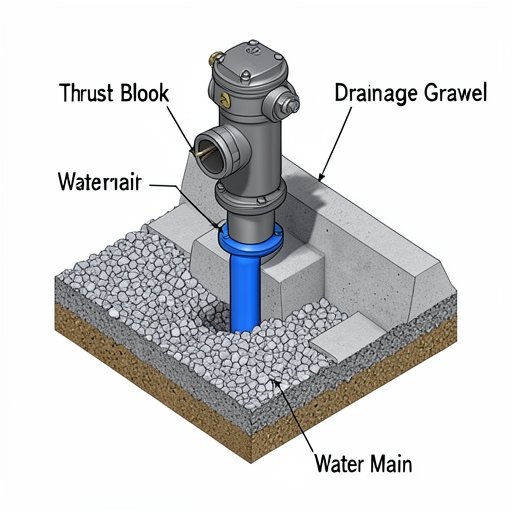
Good hardware needs good documentation. Ensure your supplier provides clear CAD drawings and installation manuals to help your onsite team avoid assembly errors.
8. How do you package heavy items to prevent transit damage?
Items like ductile iron valves or fire hose reels are prone to shipping damage. Ask for photos of their export packaging—palletization and moisture-proof wrapping are standard requirements.
9. What is your policy for product replacement or claims?
A reputable supplier stands by their products. Inquire about the warranty period and the process for replacing defective parts if any issue arises post-installation.
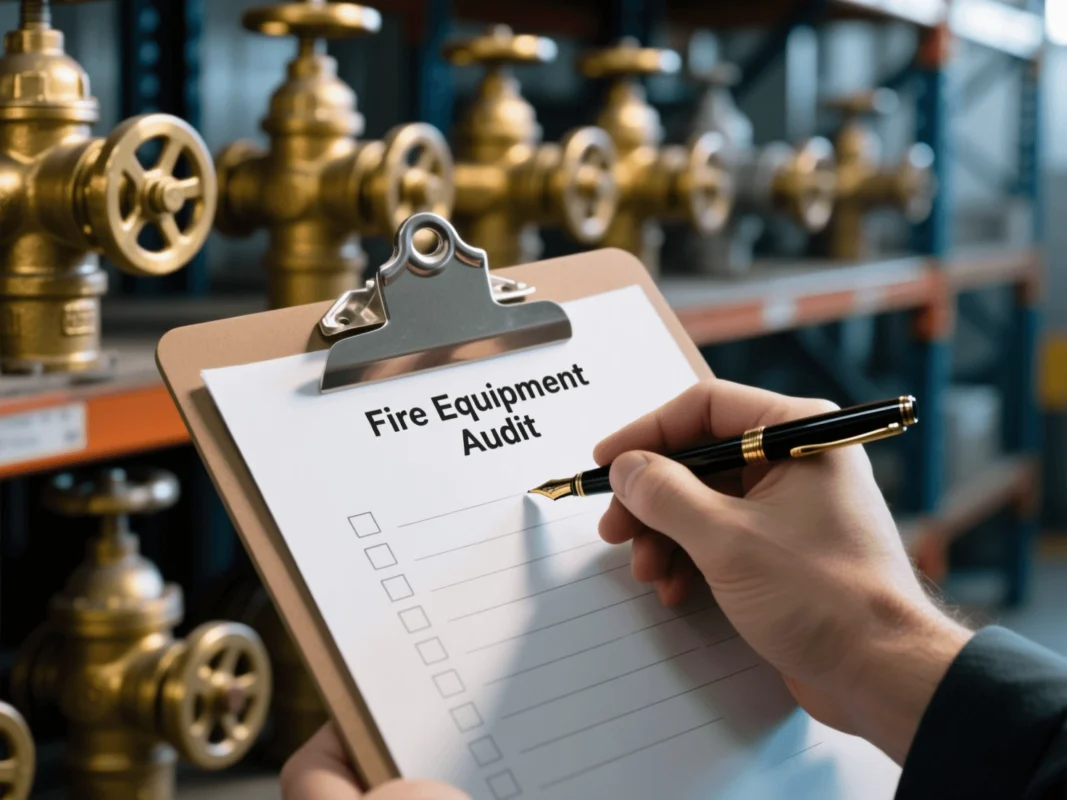
10. Can you support us with technical project drawings?
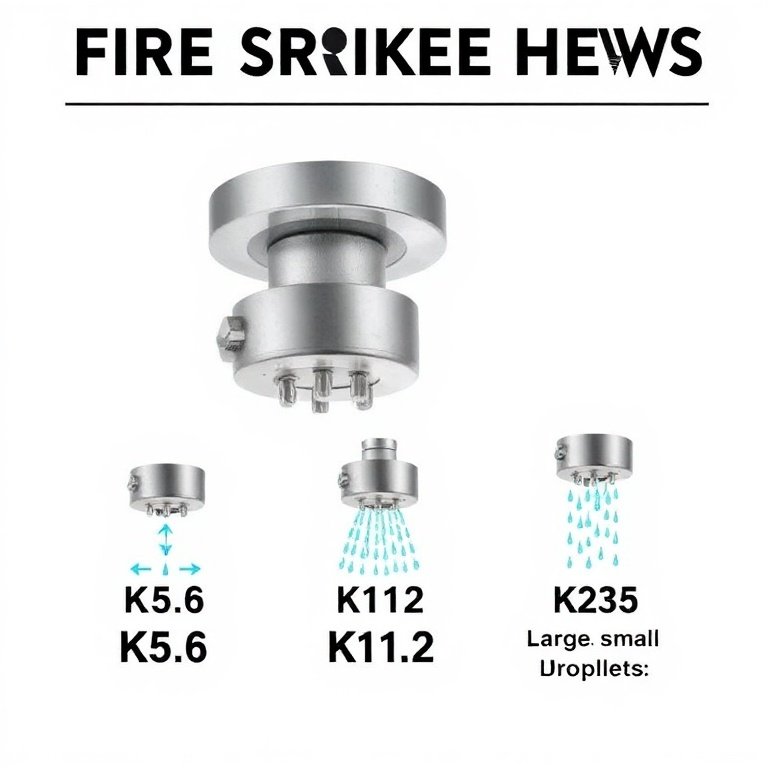
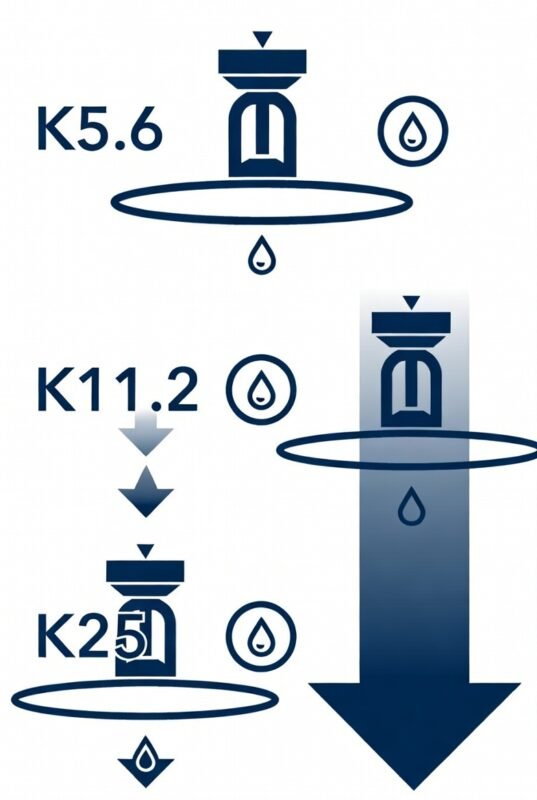
Beyond just selling products, a true partner should be able to assist in technical evaluations. Whether it’s selecting the right K-factor or calculating the required flow rate, your supplier should be your consultant.
Why Hengdun Welcomes These Questions
At Hengdun Firefighting, we believe that total transparency is the foundation of long-term business. We don’t just supply products; we provide peace of mind. We are always ready to provide our certificates, test reports, and technical expertise to assist in your decision-making process.
Ready to start a partnership? Contact our experts today and send us your project’s Bill of Materials (BOM) for a professional assessment.